
St. Patrick’s Day is celebrated around the world as a vibrant festival of Irish culture, marked by parades, green attire, and festive spirits. But how did this global celebration come to be? Here’s a historical look at the key milestones that shaped St. Patrick’s Day into the cultural phenomenon we know today.
Why Do We Celebrate St. Patrick’s Day?
St. Patrick’s Day, observed annually on March 17, honors St. Patrick, the patron saint of Ireland. St. Patrick was a 5th-century Christian missionary credited with converting the Irish population to Christianity. According to legend, he used the shamrock as a metaphor for the Holy Trinity, which is why the symbol is now synonymous with Irish identity.
Although St. Patrick’s Day began as a solemn religious occasion to commemorate his death, it has since evolved into a celebration of Irish heritage and culture, celebrated far beyond Ireland.
How It All Started
The origins of St. Patrick’s Day date back to the early 17th century when the Catholic Church declared it an official feast day. Initially, the day served as a holy day of obligation, meaning church attendance was mandatory for Catholics. Since it fell during the season of Lent, rules around fasting and abstinence were typically lifted for the day, allowing for a modest celebration.
The holiday remained rooted in religious tradition for centuries, with Irish communities commemorating it primarily through church services and small gatherings.
The Spread of St. Patrick’s Day Celebrations
The Role of Irish Immigrants
The transformation of St. Patrick’s Day into the festival we recognize today is largely credited to Irish immigrants in the United States. During the 18th and 19th centuries, millions of Irish people migrated to America, bringing their traditions with them.
The first documented St. Patrick’s Day parade took place in Boston in 1737, and New York City followed suit in 1762. These parades became a way for Irish immigrants to celebrate their heritage, express pride in their culture, and build solidarity in their new communities.
Cultural Evolution
By the late 19th century, the parades and festivities became less about religious observance and more about showcasing Irish identity. Cities across the U.S. embraced the parades, and symbols like the color green and shamrocks gained prominence. Chicago, famously, began dyeing its river green in 1962—a tradition that continues to this day.
Going Global
While St. Patrick’s Day originated in Ireland and grew in America, it has since become a global celebration. Countries like Canada, Australia, and the UK now host large parades and festivals, while landmarks around the world—from the Sydney Opera House to the Eiffel Tower—are lit green on March 17. Even Japan and Singapore have joined the festivities, blending Irish culture with local traditions in unique ways.
The Contemporary St. Patrick’s Day
Today, St. Patrick’s Day is less about religion and more about celebrating Irish culture and community. It’s a day marked by parades, traditional music, Irish dancing, and, of course, plenty of food and drinks. While the modern-day celebrations have taken on a more commercialized flavor, the spirit of the holiday remains the same—a tribute to Ireland and its rich cultural legacy.
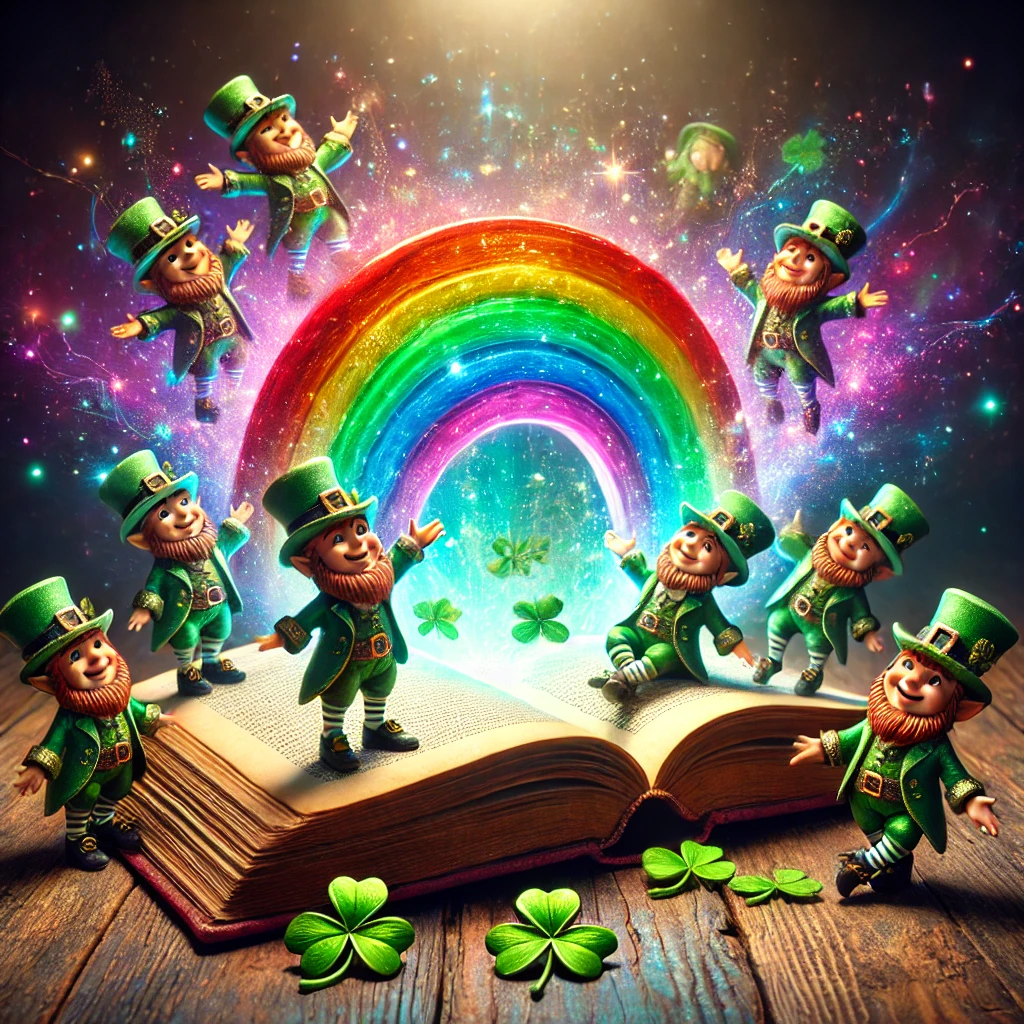
Whether you’re in Ireland, the U.S., or any corner of the globe, St. Patrick’s Day serves as a reminder of the enduring impact of Irish culture on the world stage. It’s a day to embrace your roots, connect with your heritage, and celebrate the diverse community that embodies the spirit of St. Patrick himself. So put on your green attire, raise a pint of Guinness, and join in the festivities—because on March 17th, everyone is Irish! Sláinte! (Cheers!) As St. Patrick’s Day continues to evolve and spread across the world, it serves as a testament to the power of cultural exchange and celebration. It’s a reminder that no matter where we come from or where we end up, our traditions and customs can unite us in meaningful ways.
Furthermore, St. Patrick’s Day has also become an important platform for promoting diversity and inclusivity. In recent years, there has been a push to make the holiday more inclusive for all cultures and communities, acknowledging the contributions of different groups to Irish heritage. This has led to celebrations that showcase not just traditional Irish elements, but also multicultural experiences and perspectives.
So whether you’re celebrating with green beer in an Irish pub or attending a parade in your local city, take a moment to appreciate the cultural significance of St. Patrick’s Day. It’s more than just wearing green and drinking Guinness—it’s about honoring our shared human experience and embracing diversity in all its forms.

If you would rather immerse yourself in a good book this St. Patricks Day instead of drinking a green beer, we have a list for you! Whether you’re an Irish culture enthusiast, an avid reader, or a writer looking for inspiration, this curated list will bring the charm, history, and magic of Ireland straight to your hands.
1. “How the Irish Saved Civilization” by Thomas Cahill
This fascinating read explores the critical role Irish monks and scribes played in preserving Western civilization after the fall of the Roman Empire. It’s a great choice to understand the historical importance of Ireland and its cultural contributions, tying to the spirit of celebrating Irish heritage on St. Patrick’s Day.
2. “St. Patrick of Ireland: A Biography” by Philip Freeman
Dive into the life of St. Patrick himself with this detailed biography. Philip Freeman unpacks the real story of the man behind the legend, shedding light on his missionary work, his struggles, and his impact on Irish culture.

3. “Angela’s Ashes” by Frank McCourt
Although not directly about St. Patrick’s Day, this Pulitzer Prize-winning memoir is a heartwarming and heart-wrenching tale of growing up poor in Ireland. It captures the resilience, humor, and spirit of the Irish, making it a perfect read for the day.
4. “Ireland” by Frank Delaney
This sweeping historical novel takes readers on a rich journey through Irish history, blending folklore, tradition, and storytelling. Perfect for readers who enjoy tales that capture the heart and soul of Ireland.
5. “The Wearing of the Green: A History of St. Patrick’s Day” by Mike Cronin and Daryl Adair
If you want an academic lens on how St. Patrick’s Day became a global celebration, this book is a must-read. It traces the evolution of the day from being a religious feast to a worldwide cultural celebration of Irish heritage.
6. “The Book of Kells” (Various editions available)
Celebrate the artistry and heritage of Ireland with one of its most iconic historical treasures, The Book of Kells. While it’s not a standard novel, its pages are filled with intricate illuminations and representations of Irish monastic culture – a beautiful tribute to Ireland’s history.
7. Irish Poetry Collections
For writers and lovers of lyrical beauty, an anthology of Irish poetry is a perfect pick. Collections featuring W.B. Yeats, Seamus Heaney, and other Irish poets embody the soul of Ireland and offer inspiration steeped in the country’s rich literary tradition.
8. “Maeve Binchy Collection”
Renowned Irish author Maeve Binchy’s novels, like Circle of Friends or Tara Road, are brimming with Irish charm, relatable characters, and warm storytelling. They’re perfect if you’re in the mood for heartfelt tales with a sprinkle of Irish wit.
Whether you’re honoring Irish heritage, celebrating St. Patrick himself, or just getting lost in the landscape of Ireland’s culture and history, these St. Patrick’s-inspired reads are guaranteed to add depth and joy to the day. Grab a book, pour yourself a pint of Guinness or a hot cup of tea, and enjoy these captivating tales!

 we published back in 2016 by Rev. Chad C. Fernald. So what is living wisdom? How does a person discover it?






































 Richter Publishing