Tag Archives: Tara Richter

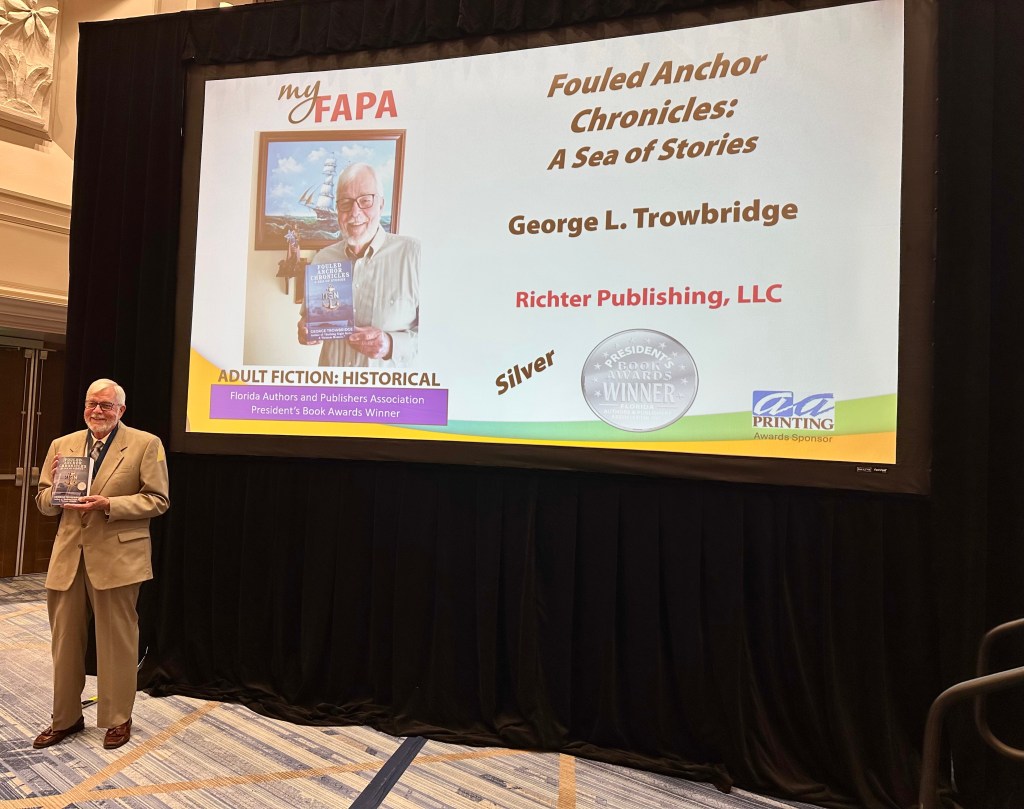
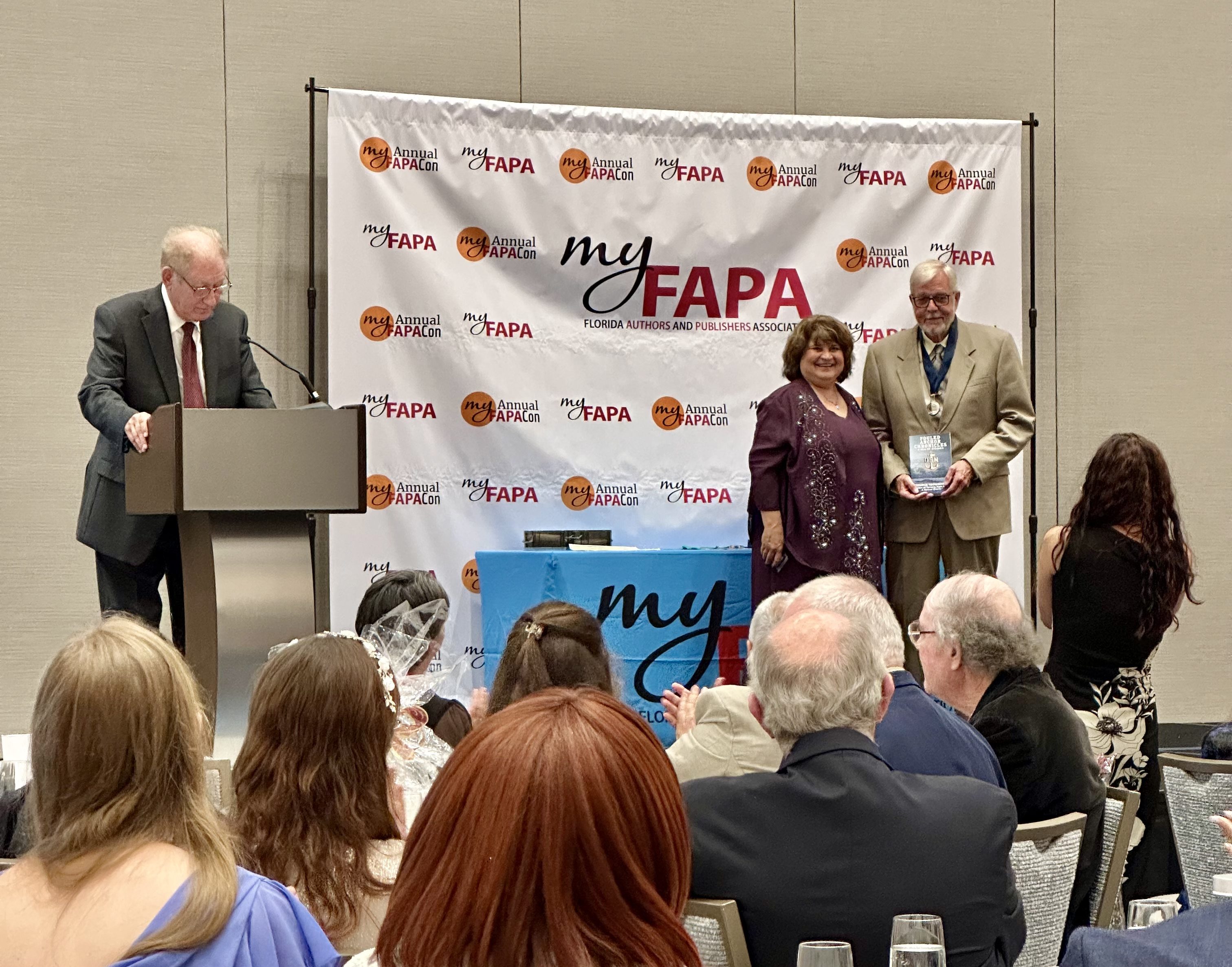
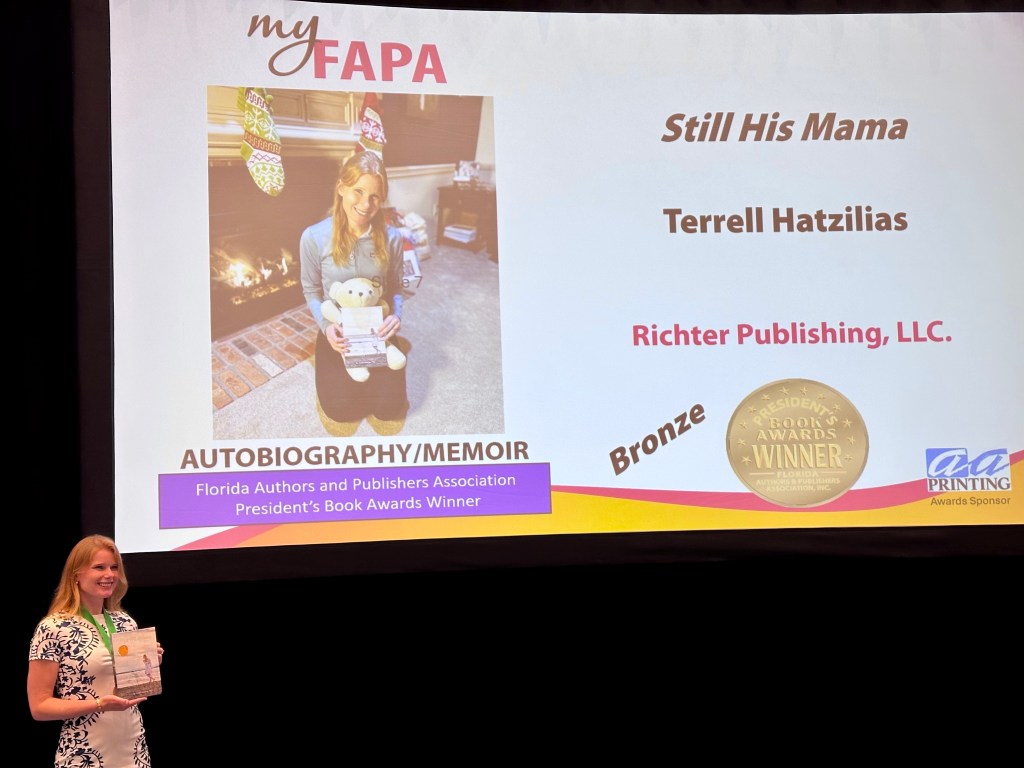
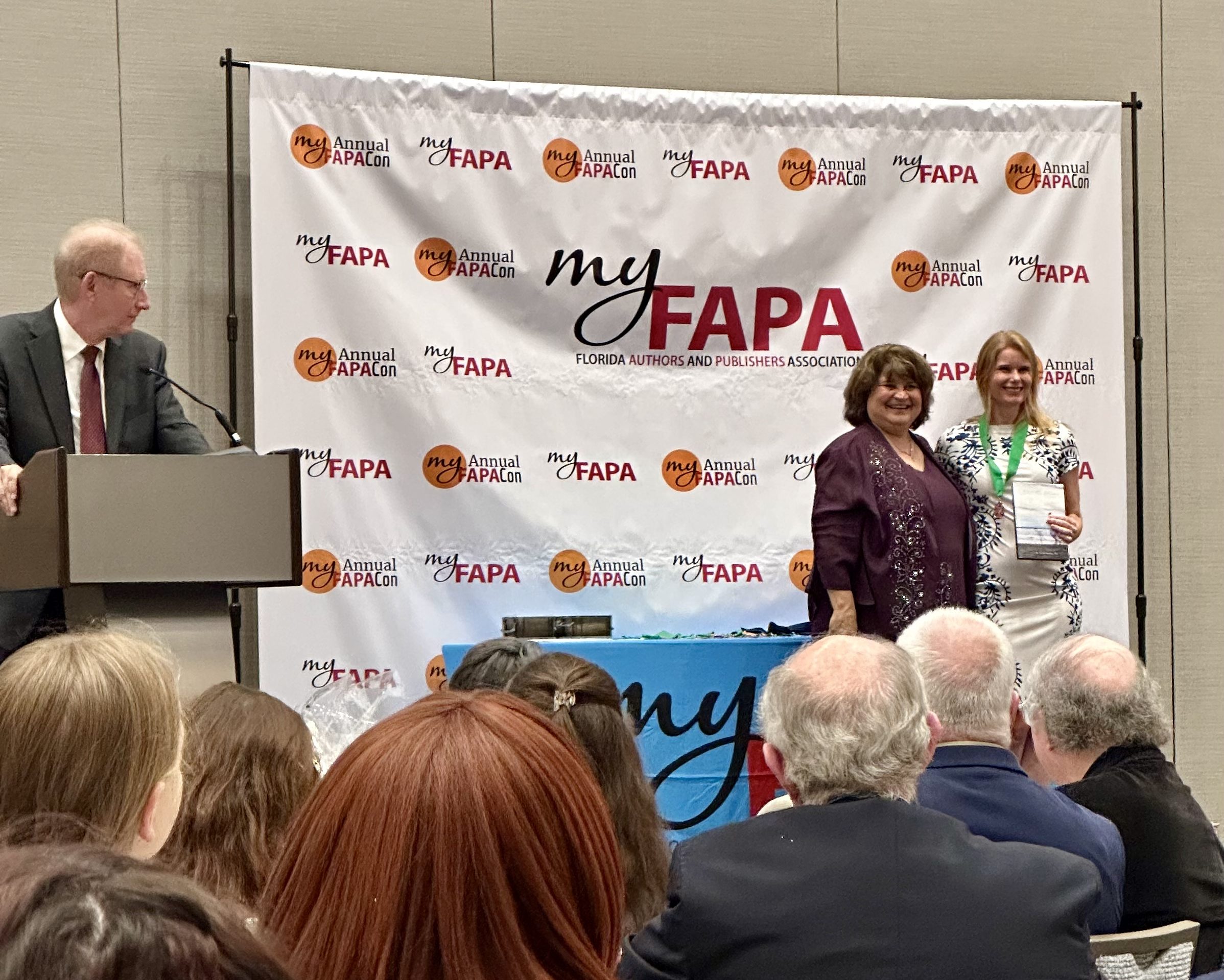
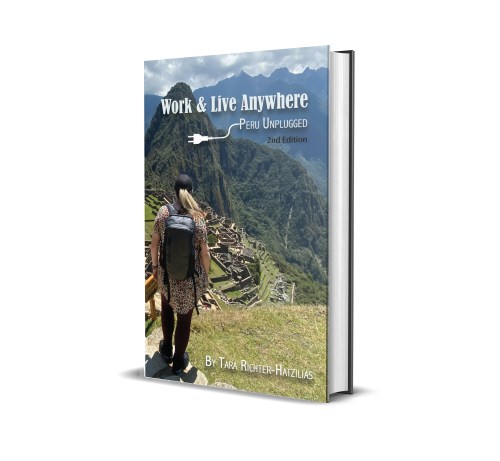
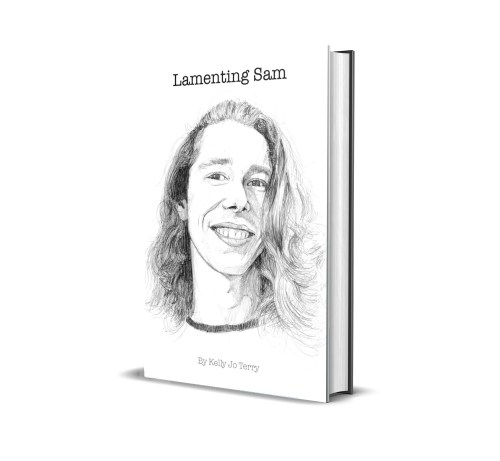
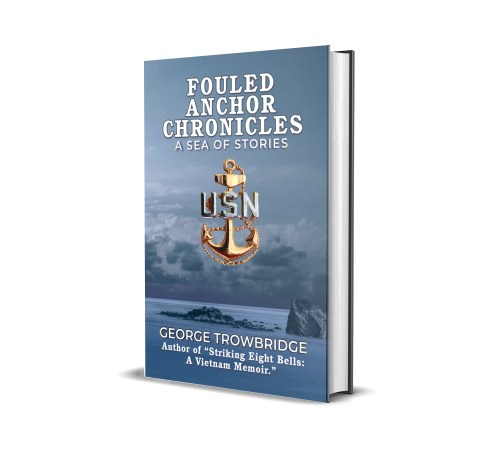
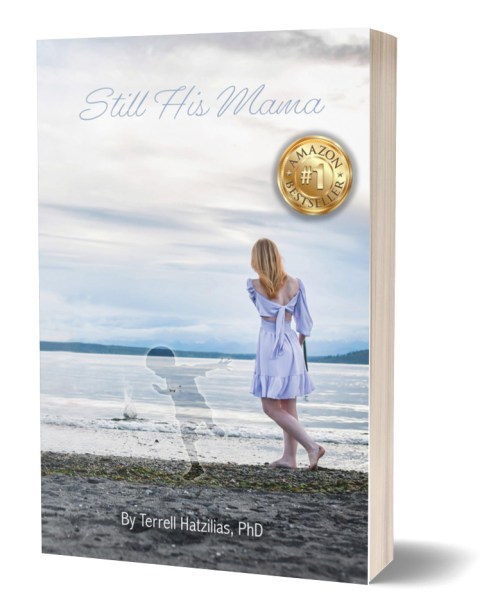
Richter Publishing Celebrates Five FAPA Award-Winning Books for 2026!

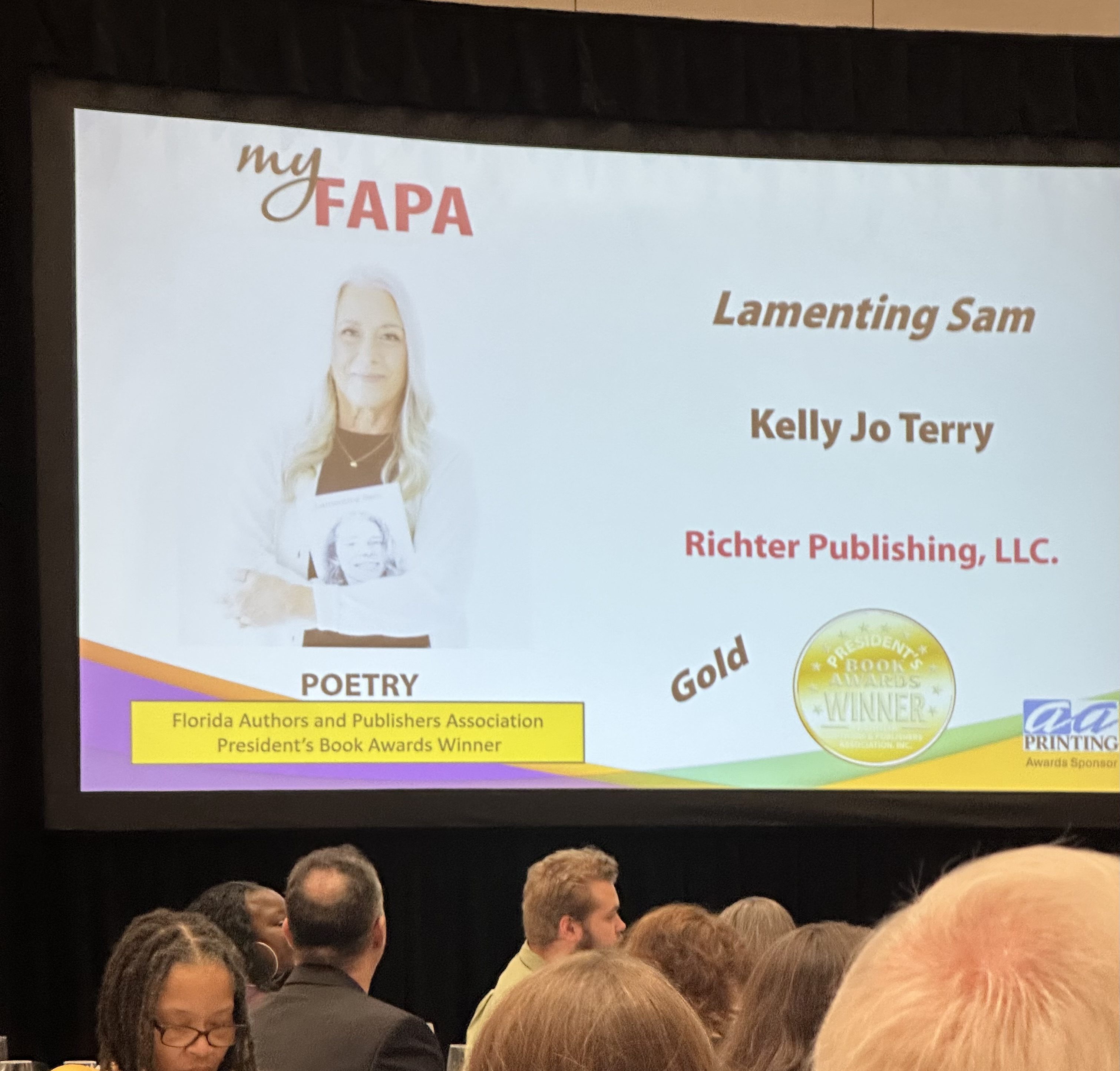
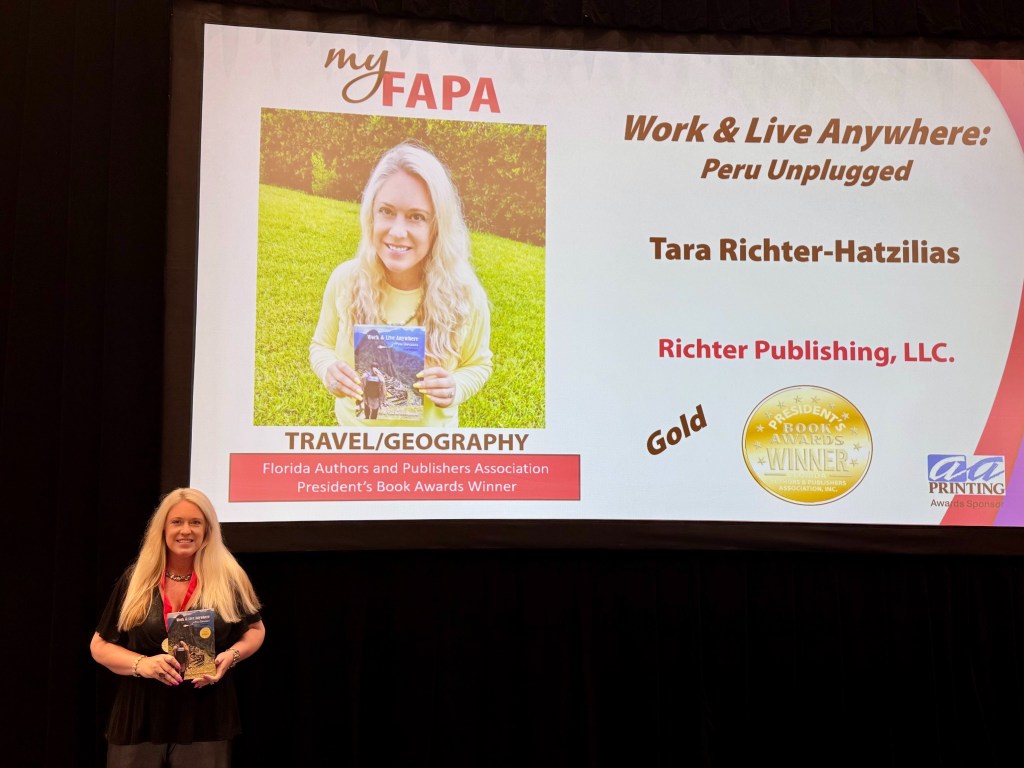
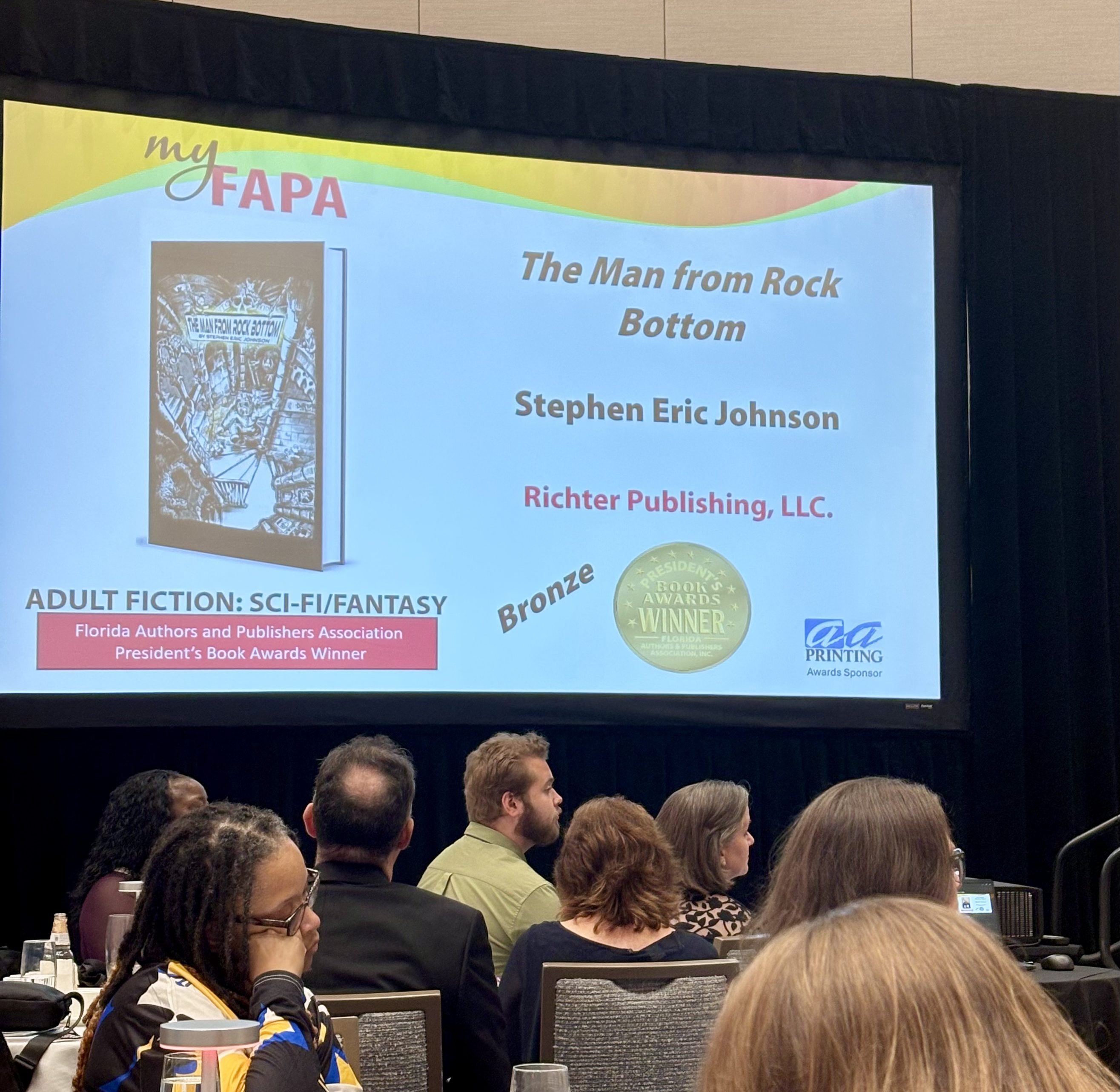
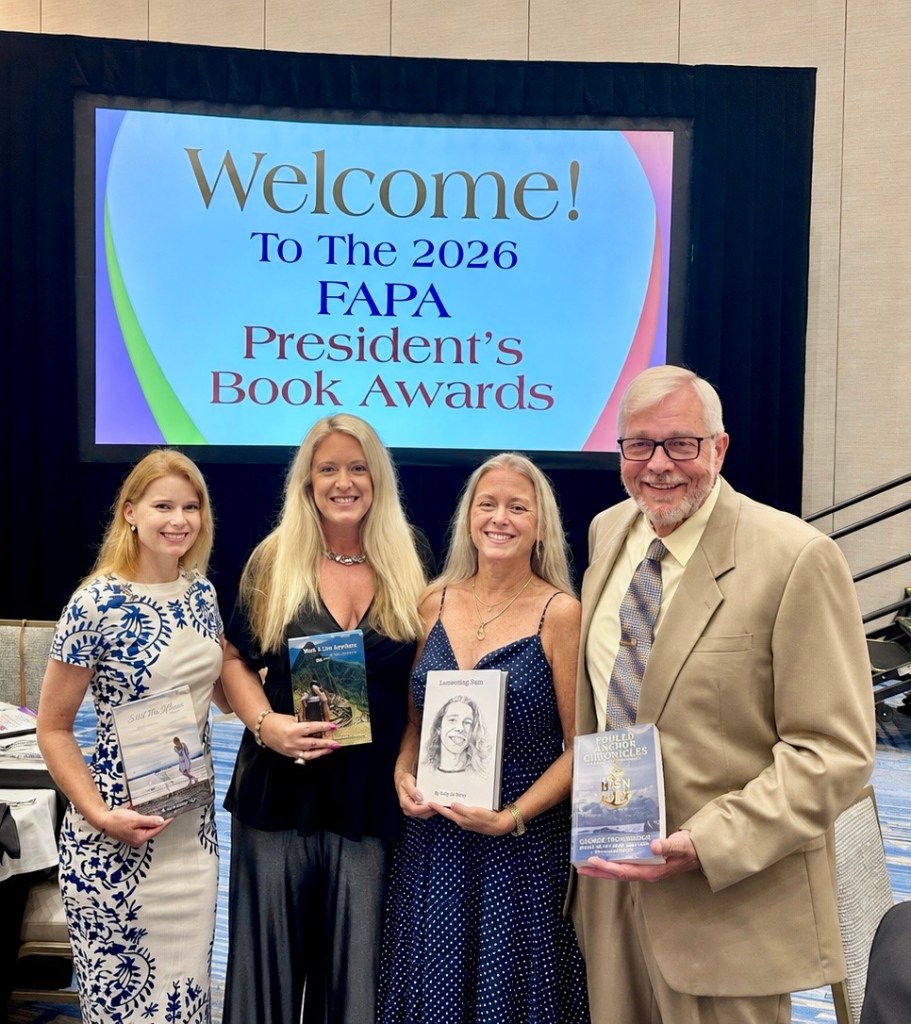
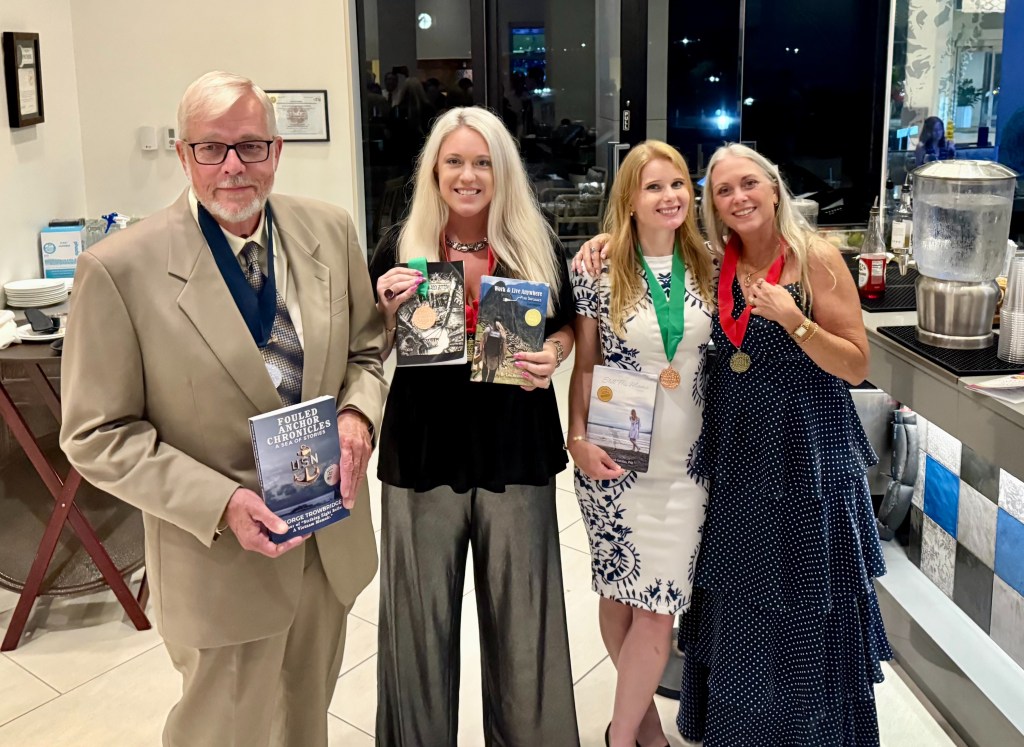
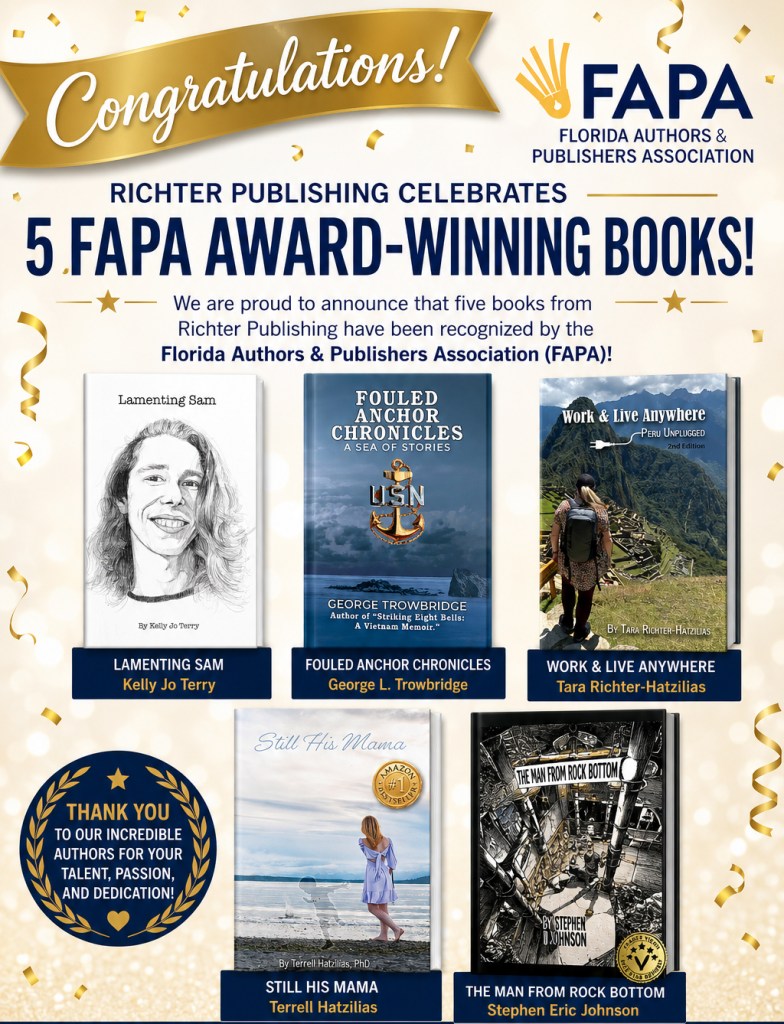
Richter Publishing is proud to announce that five of our authors have been recognized by the Florida Authors & Publishers Association (FAPA) in the 2026 President’s Book Awards competition.

We were thrilled to receive notification this morning that the following titles have officially made this year’s award list:

Each of these books represents countless hours of dedication, storytelling, editing, collaboration, and courage from their authors. We are incredibly honored to work alongside writers who are willing to share their experiences, expertise, and personal journeys with the world.

At Richter Publishing, our mission has always been to help authors bring meaningful stories to life — stories that educate, inspire, heal, and connect with readers. Seeing five of our titles recognized by FAPA this year is a tremendous accomplishment not only for the authors themselves, but for our entire publishing team.

The awards ceremony will take place on Saturday, August 1st 2026 to find out if each authors book takes the Gold, Silver or Bronze medal in their respective category! We are looking forward to celebrating with fellow authors, publishers, and creatives from across Florida at this year’s event.

Congratulations again to all of our talented authors on this incredible achievement. We are proud of each and every one of you and grateful to be part of your publishing journey.

Stay tuned for updates following the awards ceremony in August!

Fouled Anchors

Comments Off on Richter Publishing Celebrates Five FAPA Award-Winning Books for 2026!

Filed under Uncategorized

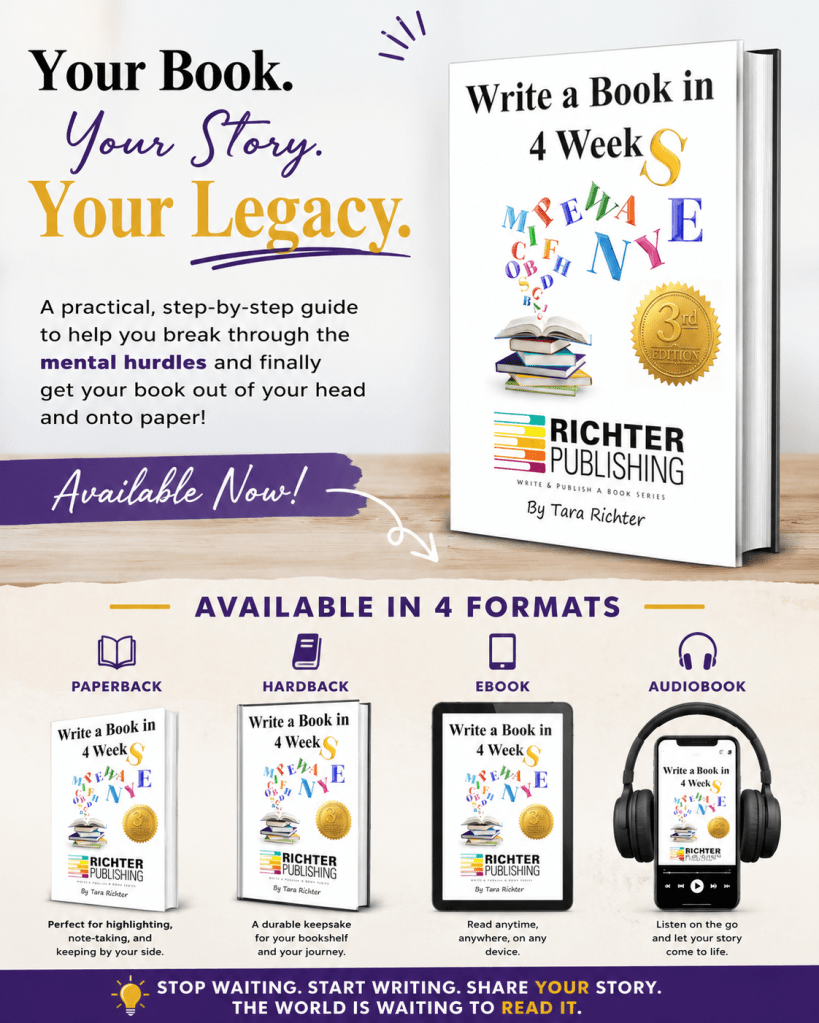
Write a Book in 4 Weeks – 3rd Edition

New Release: Write a Book in 4 Weeks — Now Available in Paperback, Hardback, Ebook & Audiobook!

Have you been thinking about writing a book for years… but somehow never get started?

Maybe you’ve told yourself:

  • “I’m not experienced enough.”
  • “I don’t have time.”
  • “I wouldn’t even know where to begin.”
  • “Books take years to write.”

The truth is, for many people, the biggest obstacle to writing a book isn’t talent — it’s the mental hurdle of getting the ideas out of your head and finally onto paper.

That’s exactly why Write a Book in 4 Weeks was created. The first edition was released back in 2017. Now this 3rd edition has been revised from all the years of working with top end clients and mentoring college students since then. Tons of industry knowledge packed into an easy, digestible handbook.

After helping authors develop and publish books for years through Richter Publishing, Tara Richter put together a practical, easy-to-follow guide designed to simplify the writing process and help aspiring authors stop overthinking and start writing. Whether you dream of publishing a memoir, business book, self-help guide, or inspirational story, this book walks you through the process step-by-step in a way that feels manageable, motivating, and realistic.

Inside the Book You’ll Learn:

  • How to organize the ideas already inside your head
  • Ways to overcome writer’s block and self-doubt
  • How to structure your chapters quickly and efficiently
  • Tips for staying focused and productive
  • How modern publishing has changed the writing world
  • Why your story matters more than perfection

Whether you prefer highlighting pages, listening on the go, or reading digitally from anywhere, Write a Book in 4 Weeks is now available in a format for everyone. Your story deserves to be told. Your knowledge deserves to be shared.
And your book might be closer than you think.

Stop waiting. Start writing.

Write a book in 4 weeks

Comments Off on Write a Book in 4 Weeks – 3rd Edition

Filed under Uncategorized

Haunted by Talent: Why October is the Month to Thank Ghostwriters and Editors 🎃👻

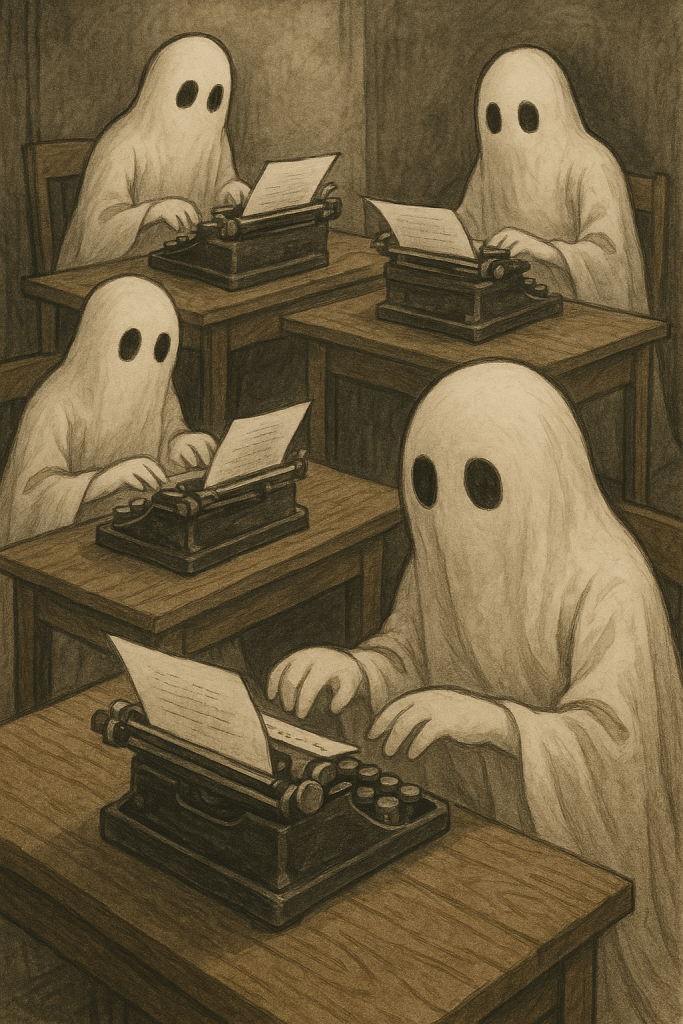
Ah, October—the season of pumpkin spice, skeleton decorations, and haunted hayrides. It’s the time of year when ghosts, ghouls, and things that go bump in the night take center stage. But let’s be real: there’s a certain type of ghost who’s been haunting the publishing world all year long, tirelessly working in the shadows.

Ghostwriters

That’s right—we’re talking about ghostwriters and editors.

They may not rattle chains or appear in your bathroom mirror when you say their name three times, but without them, the books, memoirs, and stories we love would crumble like a dusty old tombstone.

books with spiders

The Ghost in the Room (Who Actually Wrote That Book?)

Ghostwriters are the true phantoms of publishing. They slip quietly into the minds of authors, learning their voices, quirks, and favorite phrases, until they can spin out pages that sound as though they were written by the author themselves.

They don’t get the glory. Their names rarely appear in print. But make no mistake: their invisible ink is often what turns a rough idea into a finished masterpiece.

Think about it—politicians, celebrities, busy business moguls, and even some beloved novelists often call on ghostwriters to give shape to their stories. These spectral scribes take scattered notes, half-finished drafts, or sometimes just a vague idea muttered over coffee, and transform it into a book you actually want to read. Without them, many of the titles on your shelf might never exist.


Editors: The Vampire Slayers of Publishing 🦇

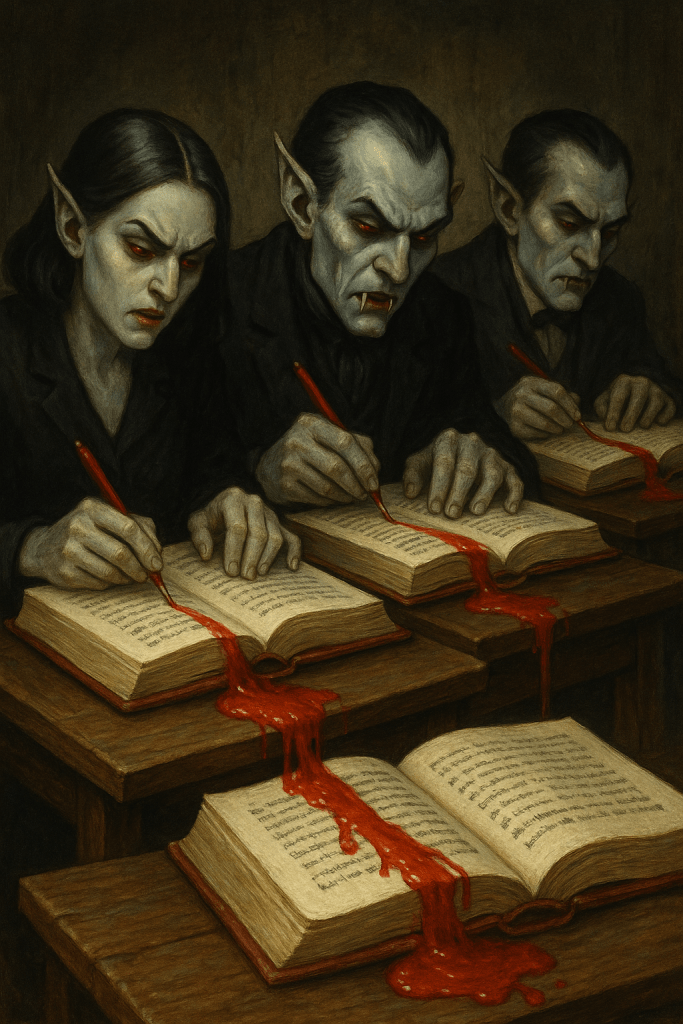
If ghostwriters are the spirits who conjure the story, editors are the brave vampire slayers who keep it from spiraling into chaos. They might be the one who makes your manuscript bleed with changes but only for the good. Armed with red pens (or more often, tracked changes), they stalk through drafts hunting down clichés, bloated sentences, awkward dialogue, and yes—the dreaded typo lurking in the shadows.

There are different kinds of editors, each one a different creature of the night:

  • Developmental editors: The big-picture necromancers, reshaping plots, building arcs, and ensuring the story doesn’t collapse like a haunted house in a storm.
  • Copy editors: The werewolves of grammar, fierce under the full moon, tearing apart sloppy syntax with precision.
  • Proofreaders: The ghostly guardians of final drafts, catching the tiniest slip-ups before they escape into the world.

These folks may not get their names in gold foil on a cover, but their fingerprints (or claw marks) are on every polished page.

vampire editors

Why They Matter (a.k.a. Why You Should Leave Candy Out for Them) 🍬

Books are not created in isolation. For every story that captivates a reader, there’s a small army of unseen workers making it possible. Authors bring the spark, yes—but ghostwriters fan it into flame, and editors keep it from burning the house down.

Without ghostwriters:

  • Many stories would remain just “great ideas” collecting dust in notebooks.
  • Readers would miss out on powerful memoirs, celebrity tell-alls, and even some bestselling novels.
  • Countless voices would go unheard because not everyone can (or wants to) write their own story from scratch.

Without editors:

  • Readers would drown in typos, plot holes, and messy chapters.
  • Books would lose their magic, weighed down by clunky sentences and confusing narratives.
  • The industry itself would be a swamp of unpolished manuscripts, and no one has time for that horror story.

In short: ghostwriters and editors are the backbone of publishing. Their work may be invisible, but without them, the bookshelves would be bare—or worse, filled with half-baked monsters stitched together without care.


A Toast to the Shadows 🥂👻

So, as October rolls on and you enjoy your pumpkin spice everything, take a moment to honor the hidden heroes of the book world. Ghostwriters and editors give their blood, sweat, and tears (sometimes all in the same chapter) so we can lose ourselves in amazing stories.

They may not wear capes. They may not sign book jackets. But they are the lifeblood of literature, the unseen hands that keep the magic alive.

Here’s to the ghostwriters—the friendly phantoms of prose.
Here’s to the editors—the fearless monster slayers of grammar.
And here’s to the publishing underworld as a whole, without which we’d have nothing but dusty manuscripts and unfinished drafts.

Happy October, dear readers. And if you know a ghostwriter or editor, don’t just hand out candy this year—give them the recognition they deserve. They’ve earned it.

Cheers to our team of ghouls and goblins at Richter Publishing! Have a smashing good October.

Comments Off on Haunted by Talent: Why October is the Month to Thank Ghostwriters and Editors 🎃👻

Filed under Uncategorized

Hurricane Helene: A Tale of Two States – Florida and North Carolina

Remembering hurricane Helene on the anniversary of death and destruction this September 26th 2025 just one year later. Many people in Florida are still not built back, still waiting for permits on their homes. Many, no homes to go back to. My personal home was hit and also my husband’s business. Both of which are still not 100% back to normal. But that is just drywall and concrete. Nothing prepares you for the flooding of emotions that tear through your soul when a storm comes through your home and the amount of PTSD you have to deal with during, after and forever with a storm like this. Until you have gone through it. I have lived in the Tampa Bay Area for almost 25 years and like everyone else, thought we were immune to hurricanes, because for so long we had been missed. But mother nature doesn’t mess around. When she has her eyes set on you, there is no getting away.

Landfall in Florida: Coastal Devastation

Helene made landfall near Perry, Florida, on September 26th, 2024, packing 140-mph winds and unleashing a historic storm surge that swallowed coastal towns. The Big Bend region, one of Florida’s most vulnerable stretches of coastline, bore the brunt of the hurricane’s fury.

  • Storm Surge & Wind: Waves of 12–16 feet tore into coastal communities, sweeping away homes, businesses, and infrastructure. Tampa Bay recorded a surge of over 7 feet, flooding neighborhoods and destroying waterfront properties.
  • Infrastructure Damage: Roads buckled, power lines toppled, and entire stretches of coastline were reshaped by Helene’s surge and erosion.
  • Human Toll: At least 34 Floridians lost their lives, and hundreds were injured or displaced.
  • Economic Cost: Losses in Florida were estimated at $13.9 billion, encompassing destroyed housing, battered utilities, and coastal restoration needs.

For Florida, Helene was a storm defined by water pushed in from the sea. Its damage was immediate, catastrophic, and concentrated along the Gulf Coast.


North Carolina: Inland Flooding and Mountainous Chaos

By the time Helene crossed into North Carolina on September 27th, 2024, it had weakened as a hurricane, but the mountains and river valleys of the state amplified its destructiveness. The storm transformed into a catastrophic inland flood and landslide event — the likes of which North Carolina had never experienced.

  • Rainfall & Flooding: Communities in western North Carolina recorded up to 30 inches of rain. Rivers burst their banks, sweeping through towns and rural areas. Low-lying communities were engulfed, and mountain valleys became dangerous flood channels.
  • Landslides & Erosion: Saturated soils triggered widespread landslides, burying homes, destroying roads, and cutting off entire communities. Even major highways like I-40 suffered catastrophic washouts.
  • Human Toll: North Carolina paid the heaviest price in lives lost. More than 100 residents were killed, with Buncombe County alone reporting 43 deaths. Thousands were displaced, and rescue operations stretched for weeks.
  • Economic Cost: The state’s damages climbed to over $59.6 billion, making Helene the costliest natural disaster in North Carolina’s history.
  • Infrastructure Collapse: Bridges crumbled, dams were overtopped, and power and communications networks failed, leaving many mountain communities isolated for days.

In North Carolina, the storm was defined not by the ocean’s surge, but by the sheer volume of rain, gravity of the mountains, and fragility of the region’s infrastructure.


Florida vs. North Carolina: Contrasting Impacts

While both states were battered by the same storm, the impacts reflected their vastly different geographies.

  • Florida’s tragedy was a coastal one: surge and wind wiped away towns, especially in the Big Bend, and flattened infrastructure at the ocean’s edge.
  • North Carolina’s tragedy unfolded inland: floods and landslides cascaded through mountains and valleys, leaving a trail of destruction that dwarfed Florida’s damages in scale and cost.

Florida endured a powerful strike, but North Carolina suffered a prolonged disaster that overwhelmed emergency systems and reshaped communities. When we went to go visit back in April of 2025 major interstates were still closed off. Roads even in Pigeon Forge, Tennessee area were still washed away as well. Driving around the Biltmore area was sad to see buildings that were there prior totally gone. The cute little mountain town of Chimney Rock we had just visited the year prior, totally washed away. We still have our memories have photos, but it will never be the same. Our hearts go out to everyone there.


The Road to Recovery

Hurricane Helene Damage

Recovery in both states will take years. Florida faces the daunting task of rebuilding storm-ravaged coastal towns while grappling with beach erosion and sea-level rise that make its coasts ever more vulnerable. North Carolina, meanwhile, must not only rebuild washed-out roads and homes, but also reimagine how to protect mountain communities from extreme rainfall and landslides in a changing climate.

Hurricane Helene Damage

Hurricane Helene’s dual disasters highlight a sobering truth: the dangers of hurricanes are not confined to the coast. From Florida’s Gulf shoreline to North Carolina’s mountain hollers, the storm underscored that water — whether from the sea or the sky — remains the deadliest force in a hurricane.

Hurricane Helene Damage

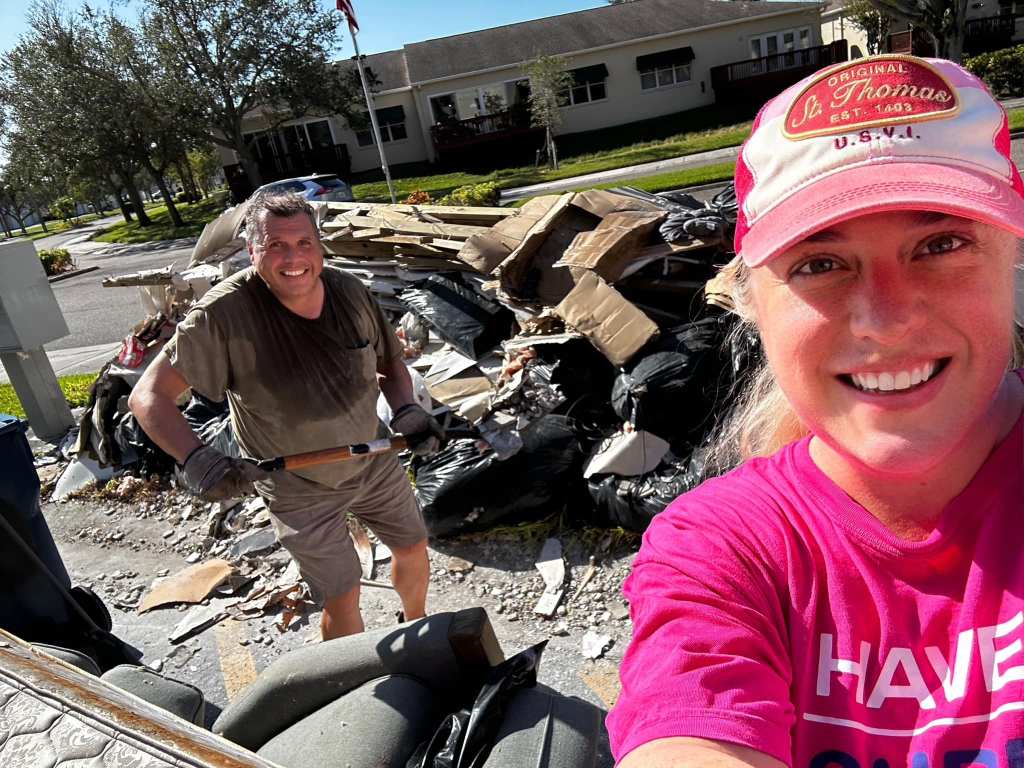
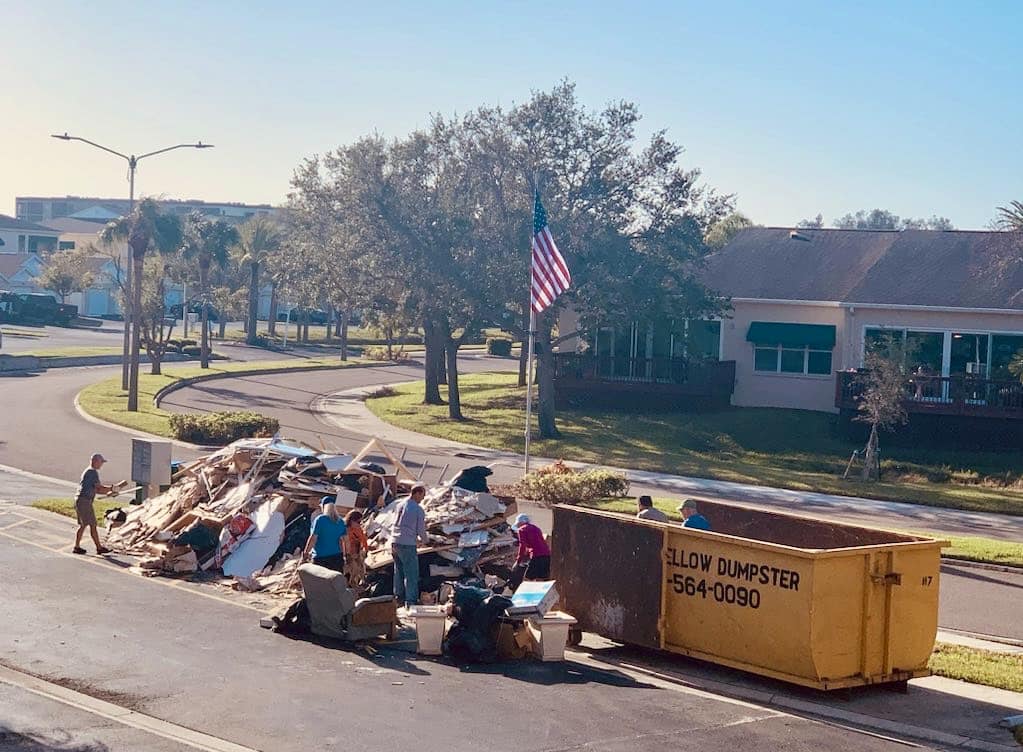
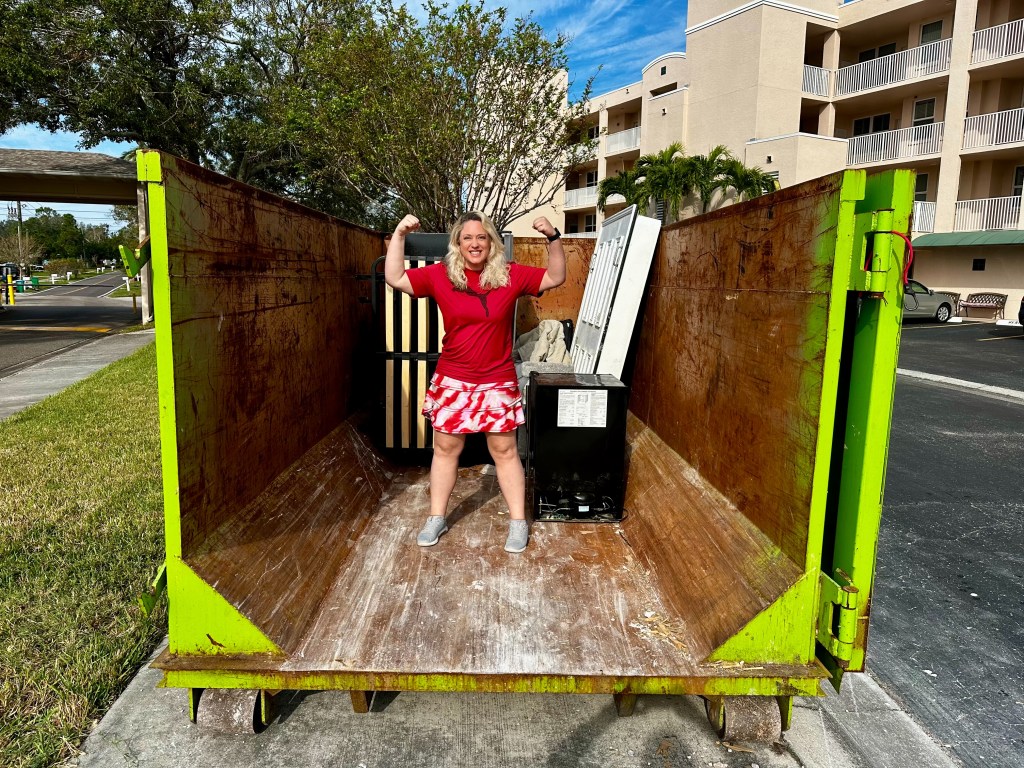
We are Floridians, we are strong, we will move on. In one way or another. We are built different. This picture from above is our trash pile from our community. This is an accumulation of the damage that was done to our four townhomes and the garages next door. The demo crews didn’t take it away and threw it out front. Because the city was supposed to pick it up. Well the city wouldn’t pick it up, said because it was on private property behind a gate. Well the HOA wouldn’t pick it up either, yet they complained about it everyday and said they were going to fine us because it was an eye sore! Yet we pay over $1,000 a month in HOA fees. And we live in a mainly elderly community here in Florida of people 80 years and up. So after a month or so of the trash pile sitting out there, our community of elderly people, my husband and myself, we purchased a dumpster and did it ourselves. That’s right. A community of elderly residents purchased not one but five dumpsters out of our own pockets and then physically carried that entire pile of rubbish for seven days total to get rid of it. Did the insurance reimburse us? NO. Did FEMA pitch in? NO. Did we just roll up our sleeves and say FUCK IT?! YES! Because that is what Baby Boomers and Gen Xer’s fucking do! WE GET SHIT DONE.

Dumpster Diving!

Just to note, the youngest person in that photo was 47 (me) the oldest person in out in the trash pit was 85 at the time of the photo.

Comments Off on Hurricane Helene: A Tale of Two States – Florida and North Carolina

Filed under Uncategorized

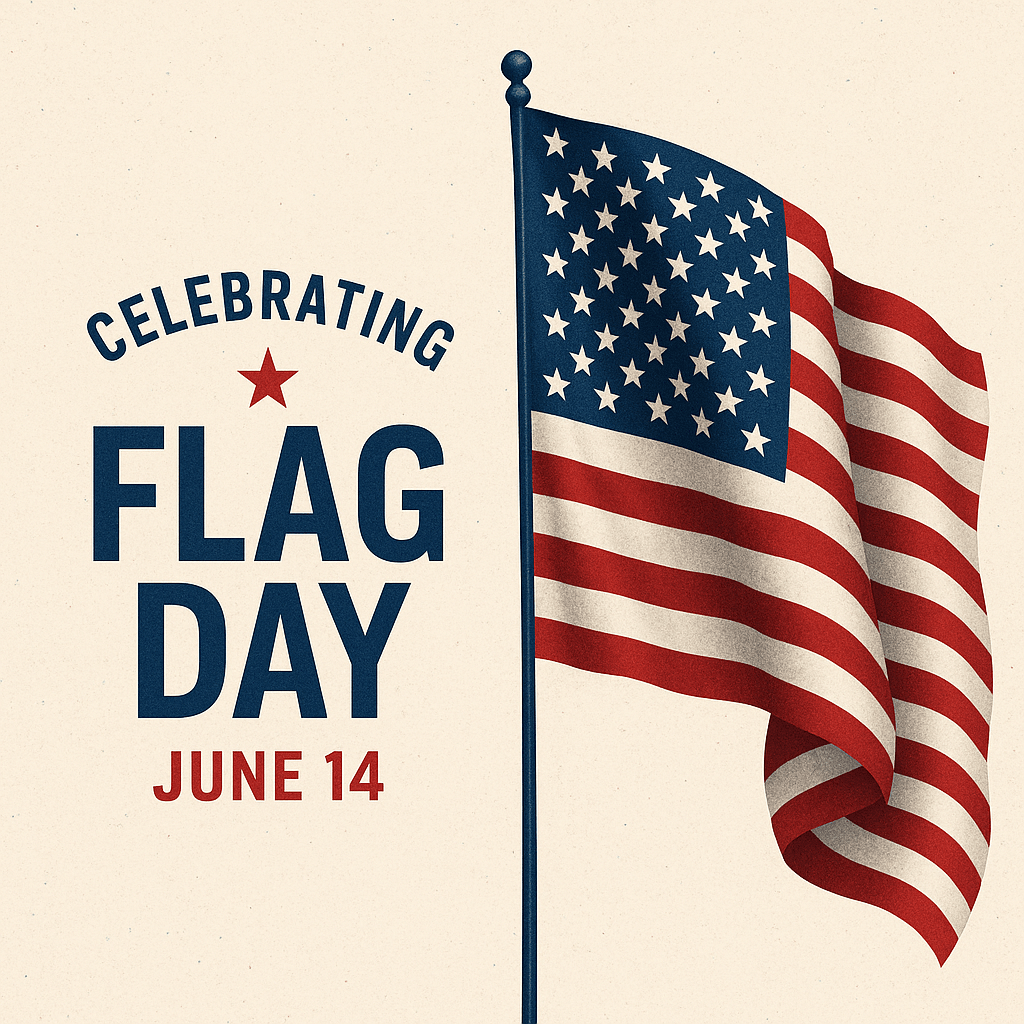
🇺🇸 Celebrating Flag Day: Honoring the Stars and Stripes | June 14th 🇺🇸

happy flag day

Every year on June 14th, Americans across the country pause to celebrate Flag Day—a tribute to one of our nation’s most enduring symbols: the United States flag.

📜 The History Behind Flag Day

Flag Day commemorates the adoption of the Stars and Stripes as the official flag of the United States on June 14, 1777, by the Second Continental Congress. The resolution stated:

“Resolved, That the flag of the thirteen United States be thirteen stripes, alternate red and white; that the union be thirteen stars, white in a blue field, representing a new constellation.”

Though it’s not a federal holiday, Flag Day holds deep patriotic significance. It was officially established by President Woodrow Wilson in 1916, and later President Harry Truman signed it into law in 1949 as a national observance.

🎨 What the Flag Represents

The U.S. flag is more than just cloth and color. It stands for freedom, resilience, and unity. Each element of the flag carries meaning:

  • Red: Valor and bravery
  • White: Purity and innocence
  • Blue: Vigilance, perseverance, and justice
  • Stars and Stripes: The 50 states and the original 13 colonies

🇺🇸 How Americans Celebrate

Flag Day is a chance to reflect on our shared values and national heritage. Here are a few ways people honor the flag:

  • Flying the American flag at homes, businesses, and public buildings
  • Community parades and patriotic ceremonies
  • Educational events in schools about the flag’s history and symbolism
  • Volunteering or supporting veterans’ groups and civic causes

In some places like Quincy, Massachusetts, and Waubeka, Wisconsin (the hometown of the “Father of Flag Day,” Bernard J. Cigrand), celebrations include festivals, speeches, and pageantry.

🌟 A Day to Reflect

Flag Day reminds us of the sacrifices made to protect the freedoms we enjoy and the unity that binds us as a nation. Whether it’s by displaying the flag, teaching children its history, or simply taking a quiet moment to reflect, June 14th is a day for all Americans to come together in gratitude and pride.

Happy Flag Day!
Long may she wave. 🇺🇸

Comments Off on 🇺🇸 Celebrating Flag Day: Honoring the Stars and Stripes | June 14th 🇺🇸

Filed under Uncategorized

Earth Day – Celebrating with Books

Earth Day is an event that originated from the need to spread awareness about environmental damage and create change to address it, and if possible, reverse some of it. Earth Day is the largest secular civic-engagement event in the world, usually celebrated by about one billion people worldwide. Within a decade after Earth Day was created in 1970, many influential environmentally protective initiatives and legislations had been established, including the creation of the Environmental Protection Agency, along with the Endangered Species Act, the Clean Air Act, and the Clean Water Act, among others. The use of lead in gasoline and the pesticide DDT had both also been banned. Over the following decades, organizations have continued to strive to create change to address the ever-evolving problems caused by modern practices that are harmful to the environment, even as new knowledge and problems spring up. The perseverance and resilience of scientists, researchers, and activists, along with support from the global community of eco-minded individuals connected through media, helps to create modest hope for change and improvements in some of these environmental issues.

One of the principal purposes of Earth Day is to spread awareness and provide mass education about climate issues that need attention. The task of spreading awareness for this crisis involves many factors, activism through demonstrations, speaking engagements, media coverage, and petitions, along with providing education in schools, videos, online platforms, and through other forms of delivery. Education is the first essential step in this process, and is one of the most important motivators for inspiring change.

Books about climate issues, both nonfiction and fiction, are a priceless resource of information. Fiction especially helps us understand the world through the empathic lens of a character, and this both deepens our knowledge and initiates calls to action. The most successful of climate-related fiction books often educate and entertain simultaneously, spreading awareness and igniting the desire to support the earth without the reader realizing that this was one of the author’s goals.

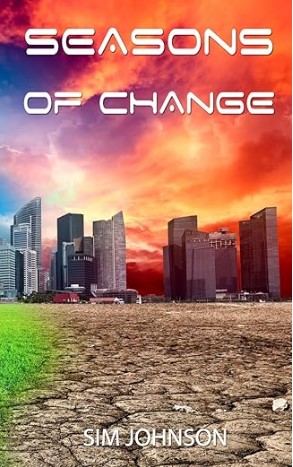
With that in mind, we’d like to highlight one of our dedicated authors, Sim Johnson, whose book Seasons of Change centers on an ordinary but brave heroine surviving an environmentally devastated earth, who sets out on a mission to save the world from an apocalyptic freeze:

Seasons of Change, by Sim Johnson, edited by Maurice Billington

If you are looking for even more to read this Earth Day, here are a few books centering around our climate and actions to take to support our world and make it a healthier place to live:

We are Better Together, by Bill McKibben

Can I recycle this? A guide to better recycling and how to reduce single-use plastics, by Jennie Romer

RisingDispatches from the New American Shore, by Elizabeth Rush

Our House Is on Fire – Greta Thunberg’s Call to Save the Planet, by Jeanette Winter

The Uninhabitable Earth – Life After Warming, by David Wallace-Wells

Salvage the Bones, by Jesmyn Ward

A Terrible Thing to Waste, by Harriet A. Washington

Comments Off on Earth Day – Celebrating with Books

Filed under Uncategorized

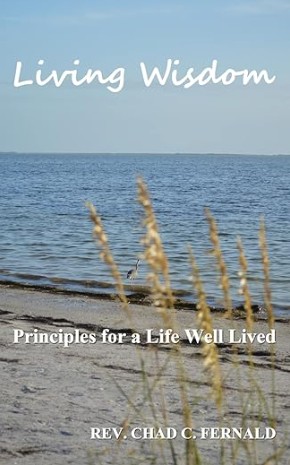
Living Wisdom – Principles for a Life Well Lived. A faithful Easter read!

Easter is an international holiday that celebrates the resurrection of Jesus Christ from the cross. It is a day for those who believe in the significance of this Christian event to honor this sacrifice and contemplate the beauty and meaning of new beginnings. It is a day to reflect on the contributions and efforts of those that came before us, focusing on gratitude for all that we have been given as the radiance of spring unfolds.

In honor of this holiday, we would like to highlight the work of one of our authors, Living Wisdom – Principles of a Life Well Lived, by Reverend Chad Fernald. His book explores the concept of Living Wisdom, which he defines as that which is contained in the books Job, Psalms, Proverbs, Ecclesiastes, and the Song of Solomon. These books offer a framework for interacting with the world and for conducting life in accordance with the principles of wisdom literature.

Living Wisdom recognizes the source of all wisdom as YAHWEH, the One True God. Each chapter considers different arenas related to implementing these principles in all areas of life, from ourselves, to our homes, to our communities, and discusses the spiritual elements and methods of applying proverbs to modern life as it is today.

The book urges followers of Christ to maintain self-reflection as they enforce the principles of Living Wisdom in their lives, pushing readers to deeply ponder and fully confront life’s challenges. Readers are encouraged to intentionally contemplate proverbs to address seemingly contradictory or confusing statements found in wisdom, rather than simply accepting the whole as messy. Living Wisdom believes that this is part of the true work of Christians, to find a way to actively apply these principles written thousands of years ago to today’s world. Reverend Fernald posits that these principles may be even more relevant and necessary today than they were back when they were written.

Reverend Fernald also analyzes factors, both internal and external, that keep us from walking straight on the path of God. Internally, our emotions and flaws, such traits as pride, hypocrisy, and self-inflicted suffering, can cloud our judgement. Outwardly, we face stress and daily temptations, resulting in behaviors that fly outside the principles of a life devoted to Christ. Reverend Fernald addresses these daily challenges and points to the Word of God to lead the way in illuminating and choosing right actions to help guide you toward living the wisdom ideal of good character.

Another arena Reverend Fernald urges readers to concentrate on Living Wisdom is the home. The home is where the sacred bond of marriage can face challenges of conflict, and Living Wisdom urges cooperation, providing the tools needed to work together as partners. Additionally, the both exhausting and rewarding nature of parenting involves the dilemmas of discipline in today’s critical world, and the importance of modeling trust in God as an influential factor in guiding children to stay faithful to God throughout their lives.

In the community, wisdom highlights the importance of leadership that practices benevolent and faithful character, encouraging leaders to employ fairness, embody righteousness, and guide the growth of followers. Living Wisdom urges Christians to follow God’s principles in the workplace as an employer or employee, embodying devotion, integrity, and benevolence in our commitments and how we treat others. This contributes to bringing God’s light into the community.

Living Wisdom proposes five truths that serve as a guide for practicing wisdom and faithfully growing before God. Reverend Fernald discusses each of these steps: Learn and Remember Truth, Internalize and Practice Truth, Speak What Suits the Truth, See What Honors Truth, and Measure Your Life According to the Truth. As Christians practice these truths in earnest and seek wisdom, they will naturally experience individual growth, leading them to display humility, remain guarded against sin, seek justice, and exhibit devotion, characteristics of a life lived in accordance with principles of Living Wisdom.

Reverend Fernald lives in the Tampa Bay area. He began his ministry in 1999, and is a founding minister/lead elder of Community Faith Network, a house church ministry. He is an ordained minister of the Advent Christian Association. He received his bachelor’s degree in history from Gordon College in 1995, and a Masters of Divinity from Gordon Conwell Theological Seminary in 2001.

If you’d like to read Living Wisdom – Principles of a Life Well Lived, you can buy it here.

Happy Easter from Richter Publishing!

Comments Off on Living Wisdom – Principles for a Life Well Lived. A faithful Easter read!

Filed under Uncategorized

Tips for Building Your Author Website

Your book has been written. It’s being published or it’s already been published. Now, you’re looking into marketing to promote yourself and your book. There are many benefits to maintaining a personal website, including promotion, sales, reader engagement, and the power of working outside of the algorithms of social media. Despite these benefits, it can seem like a daunting task to build a website independently, especially if you are not confident in your tech-savvy skills. Sometimes the hardest step to take is the first one, so here are a few tips to getting started with building your website:

Creating a Domain Name:

The expense of buying a domain for a website is usually very small, about $10 to $50 annually. When choosing the name, there are a few things to keep in mind:

Your domain name be simple, easy to remember, and should relate to you, rather than any of your specific books. For example, if your name or pen name is already taken, then try adding words like “author” or “writer” after your name to narrow the options. Alternatively, you could follow your name with the genre you tend to stick to, as this will function as a keyword to help search engines find you. Try to steer clear of special characters like numbers or hyphens.

Remember, choosing a name that reflects you as an author is important because it will enable you to market yourself and any other books you write in the future under that umbrella. If you’d like to create a separate website for an individual book, then go for it!

Choosing a website platform:

There are many options available to choose from when selecting a platform for your website. Here are a few tips to help narrow down your search and hopefully find an option that suits you:

User-friendliness — your website should be easy for you to use, so if you happen to be on the less than tech-savvy side, search for pre-made templates, as this will help remove some of the confusion.

Affordability — it goes without saying that a website needs to be affordable for you. Inexpensive options are tempting, and you may be just fine with platforms where your control over customization is limited. The pricier options, while expensive, usually come with additional features and may be easier to use.

Flexibility and Longevity — ensure that whatever platform/template you use looks good on different types of devices, as some websites will look different on a laptop, phone, or tablet. Additionally, consider open-source options rather than proprietary ones, as the latter platforms are tied to the success of the companies that provide them. Open-source platforms may be more difficult to learn to use, but will help ensure the longevity of your website.

Just a few of the popular website platforms include:

WordPress — a tech-savvy option. WordPress offers highly customizable designs, as well SEO features. While it may take some effort to learn how to use, it offers broader control of your website.

Squarespace — less tech-savvy than WordPress but still requires some knowledge to utilize, offers built-in SEO and blogging tools. They offer a variety of templates to choose from.

BookBub— an inexpensive ($10/month) platform that requires less technical skill than the two above. If you don’t mind less freedom for customization, this offers a less technical route to build a website. BookBub contains templates designed specifically with authors in mind.

Wix — great for beginners, with easy to understand building tools. Like BookBub, this platform offers designs directed toward authors.

Note: When choosing a website template, keep in mind your brand. The aesthetic of the template you use will reinforce your brand. Which genre do you write in? A horror author’s website will look very different from a business author’s. Choose designs that will create a space that is both professional and will allow you to continue to grow and flourish with time.

Essential aspects of a website:

When you’ve chosen your platform and are ready to build your website, keep in mind these essential features to include:

Homepage — include your name and a blurb about yourself (ex: I am … welcome to my website!), your book covers (or select one or two), and social media links. If you decide to create a newsletter or blog, you can place the option to sign up or view them here, along with select reviews of your work.

About Me page — should contain your professional bio. You can also include other information about yourself to help readers get to know you better, like your hobbies and interests.

Contact Information page — add information on how you’d like to be contacted for promotional opportunities. If applicable, include your agent, publicist, or other professional who can be contacted in order to reach you.

Individual book pages — each of your books should have their own designated page, with an image, a description (long or short), and a link to buy the book. You could also include content, such as the first chapter, to invite readers to sample your work before purchase.

Conclusion:

Choosing to build a website can be time consuming, and it’s easy to feel daunted by it, but it is a valuable investment of your time that can eventually pay off in a boost in sales, promotion, and community engagement. Additionally, a website adds a layer of professionalism to your identity as a writer, a badge of honor for the dedication and perseverance it took to write your books! If you’d like a more in-depth summary of the benefits of building and maintaining your website, check out our Benefits of Having and Website as an Author blog post for more ideas and tips.

Comments Off on Tips for Building Your Author Website

Filed under Uncategorized

April Fool’s Day – a Brief History

For those of us who grew up with older siblings, April Fool’s Day is an event that probably left a mark of enduring memories from childhood (although hopefully cheerful ones). April Fool’s Day, the global custom of lighthearted pranks and mischief, is a day to enjoy practical jokes that end with a sense of surprise, amusement, and laughter from everyone involved, including the recipient. The day serves as an excuse for us all to let out a more mischievous side of ourselves in the name of good fun. The tendency toward playful teasing and pranks is a fairly universal aspect of human behavior that exists in every culture, and so it is not surprising that variations of this tradition are celebrated in many countries around the world. But what is the story behind such a unique tradition like April Fool’s Day?

History of April Fool’s Day:

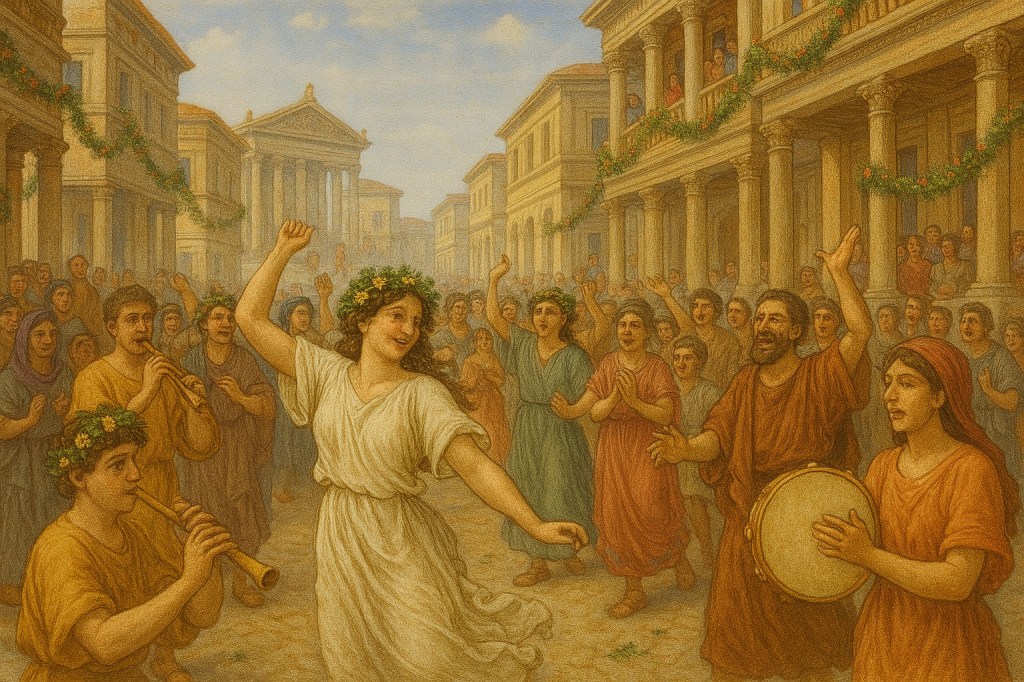
When did April Fool’s Day originate? No one knows for sure, but there are several prevailing theories rooted in traditions scattered through European history that offer plausible origin stories. The ancient Romans held biannual religious festivals in both March and November called Hilaria, which was typically celebrated with parades, masquerades, and games, along with mockery of relatives and friends. The essence of the latter is what is thought to have endured through the centuries and reshaped into the April Fool’s Day we know today.

Another guess suggests that April Fool’s Day could have started with the adoption of the Gregorian calendar in the 16th century, a change that slid back the start of the new year from late March to January 1. Those who did not adopt (or did not hear of) this change in the calendar were mocked as “April fools,” for continuing to celebrate the new year in March.

Customs Around the World:

However the day of hoaxes originated, it is celebrated differently throughout the world.

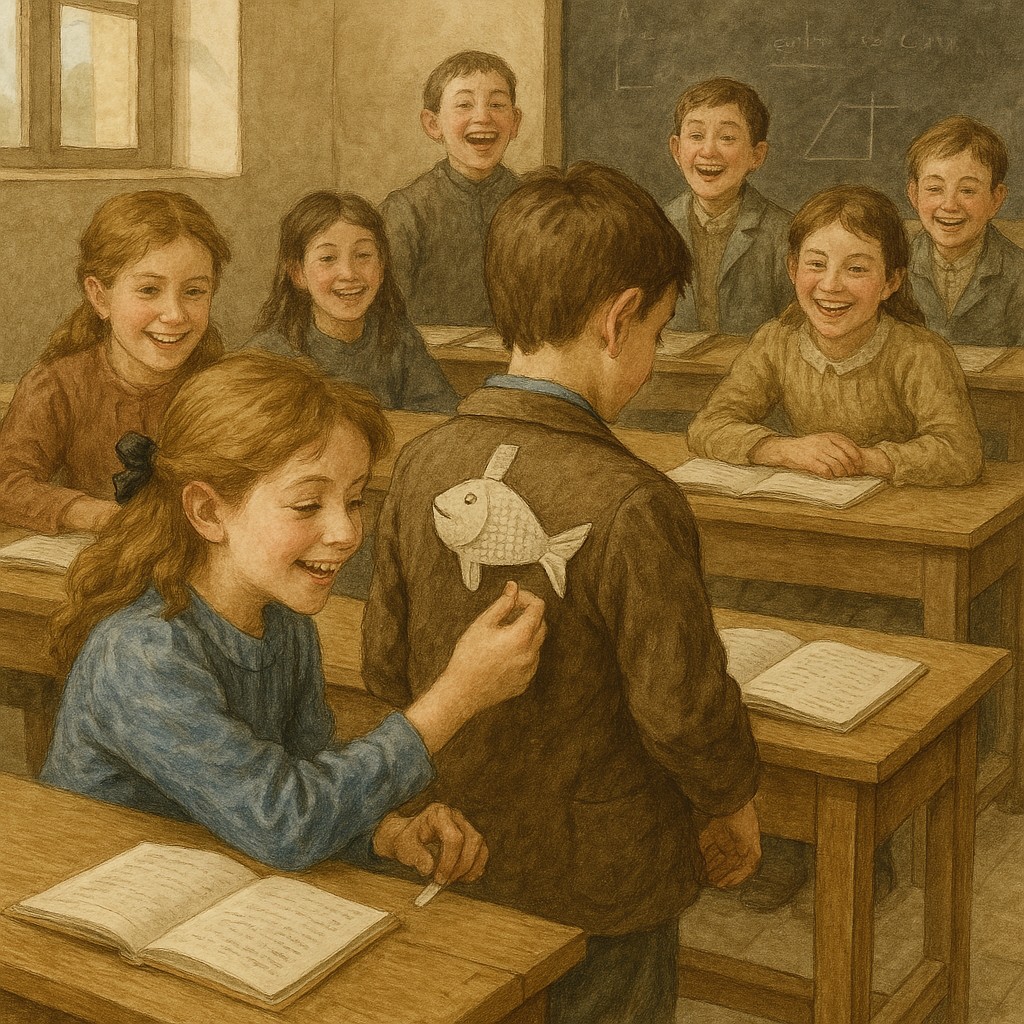
In France, April Fool’s Day is called Poisson d’Avril, meaning “April fish,” a name that harkens back to a common prank of taping a paper fish to an unknowing person’s back. This is thought to have stemmed from fishermen, who were thought to have hung live fish from each other’s loose clothing, which often went unnoticed by the recipient until the fish started to smell. In its paper form, this is a prank that still exists currently, and is thought of as a symbol of gullibility. Italy shares this tradition with France, and calls the holiday Pesce d’Aprile.

Brazil celebrates the holiday “Dia das Mentiras,” meaning “Day of Lies,” which originated from a famous prank conducted on April 1, 1828 by the satirical newspaper A Mentira, in which the paper announced the death of Dom Pedro 1, the emperor of Brazil, who was not actually dead at the time.

Famous April Fool’s Day Pranks:

In honor of April Fool’s Day, let’s review a few of the most famous pranks in history:

  • One legendary hoax that is has stood the test of time is the Swiss Spaghetti-Tree prank. In 1957, the BBC aired a hilarious three-minute segment claiming that Swiss farmers had managed to grow and harvest spaghetti trees. This video features footage of families harvesting long spaghetti noodles dangling off tree branches and laying them out to dry. This prank earned calls from interested listeners who were eager to learn how to plant their own spaghetti trees.

  • In 1998, physicist Mark Boslough wrote an article in a journal called New Mexicans for Science and Reason, claiming that the state of Alabama would be changing the measure of PI, a value of 3.14159, to a value of 3.0, the Biblical number. This hoax was popularized on the internet, earning protests from around the world.

  • Finally, in 1996, Taco Bell released newspaper ads in six major newspapers (including The New York Times, The Washington Post, and USA Today) claiming that the company had bought the Liberty Bell, a historical artifact, and intended to rename it as the “Taco Liberty Bell.” The National Park Service was flooded with thousands of calls before the hoax was thankfully revealed later that day. This prank was extremely successful as a marketing campaign, earning the company millions in free publicity.

With these notable pranks in mind, we hope you have a happy and mischievous April Fool’s!

Comments Off on April Fool’s Day – a Brief History

Filed under Uncategorized

Benefits of Having a Website as an Author

If you are an author, you may be considering creating your own website, even if you are just publishing your first book! A website is a place for all your information to come together, a one-stop shop to collect and promote your work, upcoming projects, events, press engagements, and relevant personal achievements. It also allows you to communicate directly with your audience without the hassles of social media algorithms, while adding professionalism to your reputation and solidifying your brand on your own terms. These are just a few reasons to go ahead and dive into creating that website. Let’s look a bit more deeply at some of the benefits of a website and what you can do with it.  

Benefits of having a website:

Marketing and Sales — The first benefit of having a website is the most obvious—promotion. You can promote your books (and other merchandise if applicable) on your website, and provide a list of links to purchase all your books in one place. Websites are also a straightforward and time-saving method for journalists to contact an author for PR purposes, which helps you to network efficiently.

A Home Base — A website provides a central hub where all your information, including your promotional materials, links to your books, contact info, and other specialized content like blogs, email lists, newsletters, and more are tied together by your brand and presented to the world. Customized on your terms, a website is the place interested readers can seek out to learn more about you, an author they enjoy and want to see more of.

Visibility — This refers to the amount of traffic you are getting on your media platforms, and there are many layers related to this topic. As it relates to websites, traffic is impacted by search engines. When your name or your book title is entered into a search engine, what comes up? Is it your information or something else? Maintaining a website helps search engines discover you when your book title and/or name are entered, increasing the probability that your information will surface when searched.

Community Engagement — Interacting with your audience is essential to growing your reader community. Creating an email list, blog posts, newsletters, or other specialized content unique to the website enables a sense of community to arise as readers respond to your content.

Freedom – A website empowers you to present your work to the world on your own terms, with authenticity and control. Conducting book promotion and community interaction on social media platforms means that you must navigate their algorithms, which can often work against you by not efficiently showing all your posted content to your followers. A website ensures that interested followers can easily access all of your content relatively easily, especially those who are subscribed to your newsletters, emails, and/or blog posts.

Now that we’ve talked about a few of the benefits of creating a website, let’s think about a few of the possibilities for what you can fill it with:

What to include in your website:

Personal Stories — Along with the usual contact info and personal biography, etc., you may also decide to share some behind the scenes content. Although it is not essential to share personal life stories, readers are often interested in your unique process, what inspires you, and your writing process. Giving readers a peek into what goes on behind the curtain can help them understand your writing style and who you are, fostering deeper connections within your readership community.

A List of Your Work — Although this is obvious, your website should contain links to purchase your book, or books, along with links to any other materials you’d like to include, such as online publications or reviews, articles, research, collaborations, press, notable achievements, etc.

Engaging Content — As previously mentioned, an excellent way to interact with readers is through email lists, newsletters, and blog posts. Blogs can be filled with things you are interested in—current topics in the literature scene, pieces of news you find interesting, book reviews and recommendations, tropes familiar to your genre, lists of podcasts, books, films, and other things you like. This content can also include exclusive excerpts of your work, such as scenes that were cut from your book, but readers are still hungry to read.

Events and PR — Notifying readers of opportunities to connect with you makes you seem more approachable, helping them to feel more connected to you. Are you having a book signing? Are you engaged as a speaker, whether virtually or in person? Are you hosting an event? Promote it on your website!

Reader Reviews— Including reader reviews on your website helps to build trust and credibility, as many of us refer to the opinions of others before taking a chance on buying a book when we don’t know the author. Reviews also help to give your readers a voice, and when that is coupled with engagement from you, the author, it helps make readers feel like you are listening and accessible.

Conclusion:

It is up to you to decide if the home base offered by a website is for you. Some authors view the idea of creating a website as daunting and potentially time-consuming, especially in the midst of hectic lives filled with work, family, and other competing tasks. However, the time devoted can be worthwhile, materializing in the form of increased sales, community engagement, and publicity. As a writer, finding balance is essential. Hopefully this list will give you some food for thought as you consider building a website.

Comments Off on Benefits of Having a Website as an Author

Filed under Uncategorized