Every year, on the Fourth of July, the skies over America light up with fireworks, the streets buzz with parades, and communities gather to celebrate the birth of the United States. But beyond the barbecues and sparkling displays, July 4th marks a pivotal moment in history—a moment when the written word sparked a revolution.
A Brief History of Independence Day
The Fourth of July commemorates the adoption of the Declaration of Independence on July 4, 1776. On that day, the thirteen American colonies formally declared their separation from British rule. It wasn’t a quiet decision—it was bold, dangerous, and transformative.
The Declaration itself, penned primarily by Thomas Jefferson, is one of the most powerful documents in history. With words like “We hold these truths to be self-evident, that all men are created equal,” it didn’t just announce independence—it gave a voice to a new vision of freedom and self-governance.
The power of that document is a reminder of something every writer knows: words can change the world.
The Writer’s Role in Shaping Freedom
The Fourth of July isn’t just a celebration of political freedom—it’s a celebration of expression. At its core, the American Revolution was fueled by writers: pamphleteers, essayists, poets, and journalists who dared to put their beliefs on paper. Writers like Thomas Paine, whose Common Sense ignited public support for independence, proved that the pen could indeed be mightier than the sword.
For modern authors, the holiday is a perfect time to reflect on the responsibility and privilege that comes with the written word. Freedom of speech, freedom of the press, freedom to tell the stories that matter—these are liberties that were hard-won.
Writing Your Own Declaration
As writers, we have our own declarations to make. Whether you’re writing fiction, memoir, poetry, or nonfiction, your words are part of a larger tapestry of freedom. You have the ability to challenge, to inspire, to uplift, and to spark change.
So this Fourth of July, as you watch the fireworks, consider this: What do you need to declare? What story is burning inside you, waiting for your voice to set it free?
Just as Jefferson and his contemporaries wrote for their time, you can write for yours.
Final Thoughts
The Fourth of July is not only a day to remember the past but also to embrace the freedom we have to create, to question, and to imagine. For authors, this holiday is a celebration of the power of the written word—a reminder that stories, ideas, and bold declarations still have the potential to shape history.
So light your creative fire, pick up your pen, and let your words ring out—because freedom, after all, is a story still being written.
Comments Off on The Fourth of July: A Celebration of Freedom, and a Call to Writers
Our stories matter. The moments, lessons, and laughter you’ve shared with your family are pieces of history that deserve to be remembered — not just now, but for generations to come.
Whether it’s how your family came to this country, the values your father instilled in you, or the trials you overcame together — writing and publishing your family history ensures those stories live on, long after you’re gone.
🖋️ Don’t wait for someone else to tell your story. Write the book. Publish it. Share it with your children, your grandchildren, and the world.
Because family isn’t just made of people — it’s made of stories.
Comments Off on 📖 This Father’s Day, Give the Gift of Legacy
Every year on June 14th, Americans across the country pause to celebrate Flag Day—a tribute to one of our nation’s most enduring symbols: the United States flag.
📜 The History Behind Flag Day
Flag Day commemorates the adoption of the Stars and Stripes as the official flag of the United States on June 14, 1777, by the Second Continental Congress. The resolution stated:
“Resolved, That the flag of the thirteen United States be thirteen stripes, alternate red and white; that the union be thirteen stars, white in a blue field, representing a new constellation.”
Though it’s not a federal holiday, Flag Day holds deep patriotic significance. It was officially established by President Woodrow Wilson in 1916, and later President Harry Truman signed it into law in 1949 as a national observance.
🎨 What the Flag Represents
The U.S. flag is more than just cloth and color. It stands for freedom, resilience,and unity. Each element of the flag carries meaning:
Red: Valor and bravery
White: Purity and innocence
Blue: Vigilance, perseverance, and justice
Stars and Stripes: The 50 states and the original 13 colonies
🇺🇸 How Americans Celebrate
Flag Day is a chance to reflect on our shared values and national heritage. Here are a few ways people honor the flag:
Flying the American flag at homes, businesses, and public buildings
Community parades and patriotic ceremonies
Educational events in schools about the flag’s history and symbolism
Volunteering or supporting veterans’ groups and civic causes
In some places like Quincy, Massachusetts, and Waubeka, Wisconsin (the hometown of the “Father of Flag Day,” Bernard J. Cigrand), celebrations include festivals, speeches, and pageantry.
🌟 A Day to Reflect
Flag Day reminds us of the sacrifices made to protect the freedoms we enjoy and the unity that binds us as a nation. Whether it’s by displaying the flag, teaching children its history, or simply taking a quiet moment to reflect, June 14th is a day for all Americans to come together in gratitude and pride.
Happy Flag Day! Long may she wave. 🇺🇸
Comments Off on 🇺🇸 Celebrating Flag Day: Honoring the Stars and Stripes | June 14th 🇺🇸
Easter is an international holiday that celebrates the resurrection of Jesus Christ from the cross. It is a day for those who believe in the significance of this Christian event to honor this sacrifice and contemplate the beauty and meaning of new beginnings. It is a day to reflect on the contributions and efforts of those that came before us, focusing on gratitude for all that we have been given as the radiance of spring unfolds.
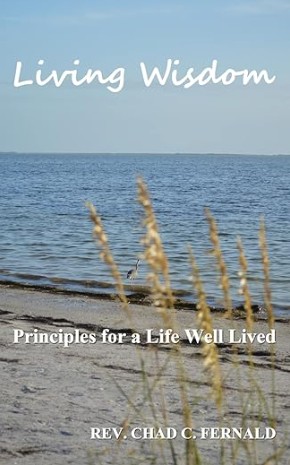
In honor of this holiday, we would like to highlight the work of one of our authors, Living Wisdom – Principles of a Life Well Lived, by Reverend Chad Fernald. His book explores the concept of Living Wisdom, which he defines as that which is contained in the books Job, Psalms, Proverbs, Ecclesiastes, and the Song of Solomon. These books offer a framework for interacting with the world and for conducting life in accordance with the principles of wisdom literature.
Living Wisdom recognizes the source of all wisdom as YAHWEH, the One True God. Each chapter considers different arenas related to implementing these principles in all areas of life, from ourselves, to our homes, to our communities, and discusses the spiritual elements and methods of applying proverbs to modern life as it is today.
The book urges followers of Christ to maintain self-reflection as they enforce the principles of Living Wisdom in their lives, pushing readers to deeply ponder and fully confront life’s challenges. Readers are encouraged to intentionally contemplate proverbs to address seemingly contradictory or confusing statements found in wisdom, rather than simply accepting the whole as messy. Living Wisdom believes that this is part of the true work of Christians, to find a way to actively apply these principles written thousands of years ago to today’s world. Reverend Fernald posits that these principles may be even more relevant and necessary today than they were back when they were written.
Reverend Fernald also analyzes factors, both internal and external, that keep us from walking straight on the path of God. Internally, our emotions and flaws, such traits as pride, hypocrisy, and self-inflicted suffering, can cloud our judgement. Outwardly, we face stress and daily temptations, resulting in behaviors that fly outside the principles of a life devoted to Christ. Reverend Fernald addresses these daily challenges and points to the Word of God to lead the way in illuminating and choosing right actions to help guide you toward living the wisdom ideal of good character.
Another arena Reverend Fernald urges readers to concentrate on Living Wisdom is the home. The home is where the sacred bond of marriage can face challenges of conflict, and Living Wisdom urges cooperation, providing the tools needed to work together as partners. Additionally, the both exhausting and rewarding nature of parenting involves the dilemmas of discipline in today’s critical world, and the importance of modeling trust in God as an influential factor in guiding children to stay faithful to God throughout their lives.
In the community, wisdom highlights the importance of leadership that practices benevolent and faithful character, encouraging leaders to employ fairness, embody righteousness, and guide the growth of followers. Living Wisdom urges Christians to follow God’s principles in the workplace as an employer or employee, embodying devotion, integrity, and benevolence in our commitments and how we treat others. This contributes to bringing God’s light into the community.
Living Wisdom proposes five truths that serve as a guide for practicing wisdom and faithfully growing before God. Reverend Fernald discusses each of these steps: Learn and Remember Truth, Internalize and Practice Truth, Speak What Suits the Truth, See What Honors Truth, and Measure Your Life According to the Truth. As Christians practice these truths in earnest and seek wisdom, they will naturally experience individual growth, leading them to display humility, remain guarded against sin, seek justice, and exhibit devotion, characteristics of a life lived in accordance with principles of Living Wisdom.
Reverend Fernald lives in the Tampa Bay area. He began his ministry in 1999, and is a founding minister/lead elder of Community Faith Network, a house church ministry. He is an ordained minister of the Advent Christian Association. He received his bachelor’s degree in history from Gordon College in 1995, and a Masters of Divinity from Gordon Conwell Theological Seminary in 2001.
If you’d like to read Living Wisdom – Principles of a Life Well Lived, you can buy it here.
Happy Easter from Richter Publishing!
Comments Off on Living Wisdom – Principles for a Life Well Lived. A faithful Easter read!
Your book has been written. It’s being published or it’s already been published. Now, you’re looking into marketing to promote yourself and your book. There are many benefits to maintaining a personal website, including promotion, sales, reader engagement, and the power of working outside of the algorithms of social media. Despite these benefits, it can seem like a daunting task to build a website independently, especially if you are not confident in your tech-savvy skills. Sometimes the hardest step to take is the first one, so here are a few tips to getting started with building your website:
Creating a Domain Name:
The expense of buying a domain for a website is usually very small, about $10 to $50 annually. When choosing the name, there are a few things to keep in mind:
Your domain name be simple, easy to remember, and should relate to you, rather than any of your specific books. For example, if your name or pen name is already taken, then try adding words like “author” or “writer” after your name to narrow the options. Alternatively, you could follow your name with the genre you tend to stick to, as this will function as a keyword to help search engines find you. Try to steer clear of special characters like numbers or hyphens.
Remember, choosing a name that reflects you as an author is important because it will enable you to market yourself and any other books you write in the future under that umbrella. If you’d like to create a separate website for an individual book, then go for it!
Choosing a website platform:
There are many options available to choose from when selecting a platform for your website. Here are a few tips to help narrow down your search and hopefully find an option that suits you:
User-friendliness — your website should be easy for you to use, so if you happen to be on the less than tech-savvy side, search for pre-made templates, as this will help remove some of the confusion.
Affordability — it goes without saying that a website needs to be affordable for you. Inexpensive options are tempting, and you may be just fine with platforms where your control over customization is limited. The pricier options, while expensive, usually come with additional features and may be easier to use.
Flexibility and Longevity — ensure that whatever platform/template you use looks good on different types of devices, as some websites will look different on a laptop, phone, or tablet. Additionally, consider open-source options rather than proprietary ones, as the latter platforms are tied to the success of the companies that provide them. Open-source platforms may be more difficult to learn to use, but will help ensure the longevity of your website.
Just a few of the popular website platforms include:
WordPress — a tech-savvy option. WordPress offers highly customizable designs, as well SEO features. While it may take some effort to learn how to use, it offers broader control of your website.
Squarespace — less tech-savvy than WordPress but still requires some knowledge to utilize, offers built-in SEO and blogging tools. They offer a variety of templates to choose from.
BookBub— an inexpensive ($10/month) platform that requires less technical skill than the two above. If you don’t mind less freedom for customization, this offers a less technical route to build a website. BookBub contains templates designed specifically with authors in mind.
Wix — great for beginners, with easy to understand building tools. Like BookBub, this platform offers designs directed toward authors.
Note: When choosing a website template, keep in mind your brand. The aesthetic of the template you use will reinforce your brand. Which genre do you write in? A horror author’s website will look very different from a business author’s. Choose designs that will create a space that is both professional and will allow you to continue to grow and flourish with time.
Essential aspects of a website:
When you’ve chosen your platform and are ready to build your website, keep in mind these essential features to include:
Homepage — include your name and a blurb about yourself (ex: I am … welcome to my website!), your book covers (or select one or two), and social media links. If you decide to create a newsletter or blog, you can place the option to sign up or view them here, along with select reviews of your work.
About Me page — should contain your professional bio. You can also include other information about yourself to help readers get to know you better, like your hobbies and interests.
Contact Information page — add information on how you’d like to be contacted for promotional opportunities. If applicable, include your agent, publicist, or other professional who can be contacted in order to reach you.
Individual book pages — each of your books should have their own designated page, with an image, a description (long or short), and a link to buy the book. You could also include content, such as the first chapter, to invite readers to sample your work before purchase.
Conclusion:
Choosing to build a website can be time consuming, and it’s easy to feel daunted by it, but it is a valuable investment of your time that can eventually pay off in a boost in sales, promotion, and community engagement. Additionally, a website adds a layer of professionalism to your identity as a writer, a badge of honor for the dedication and perseverance it took to write your books! If you’d like a more in-depth summary of the benefits of building and maintaining your website, check out our Benefits of Having and Website as an Author blog post for more ideas and tips.
Comments Off on Tips for Building Your Author Website
For those of us who grew up with older siblings, April Fool’s Day is an event that probably left a mark of enduring memories from childhood (although hopefully cheerful ones). April Fool’s Day, the global custom of lighthearted pranks and mischief, is a day to enjoy practical jokes that end with a sense of surprise, amusement, and laughter from everyone involved, including the recipient. The day serves as an excuse for us all to let out a more mischievous side of ourselves in the name of good fun. The tendency toward playful teasing and pranks is a fairly universal aspect of human behavior that exists in every culture, and so it is not surprising that variations of this tradition are celebrated in many countries around the world. But what is the story behind such a unique tradition like April Fool’s Day?
History of April Fool’s Day:
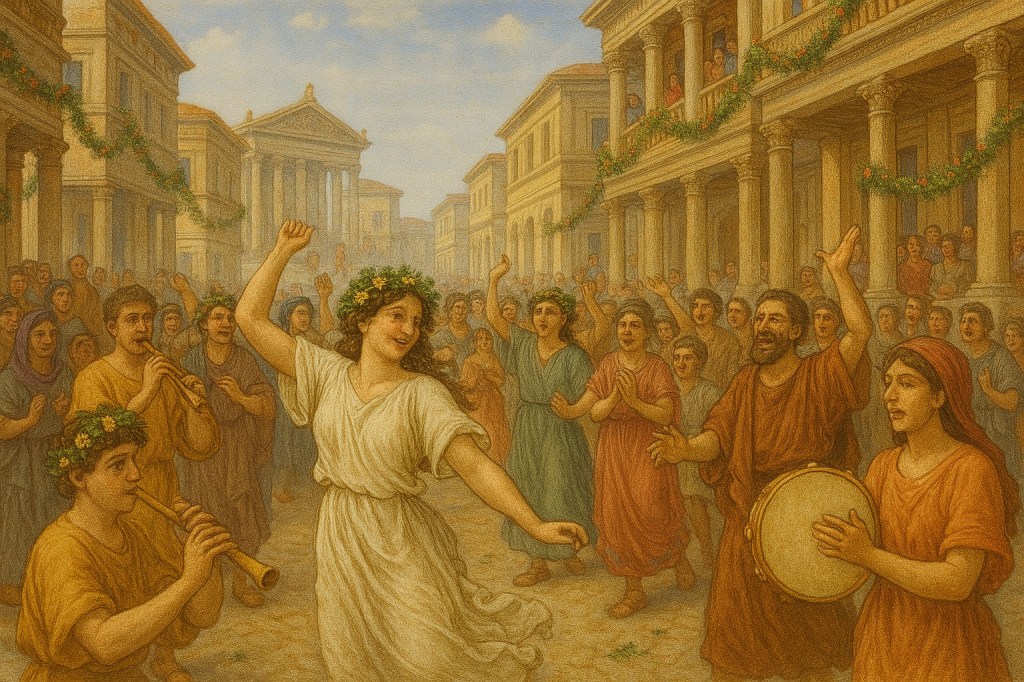
When did April Fool’s Day originate? No one knows for sure, but there are several prevailing theories rooted in traditions scattered through European history that offer plausible origin stories. The ancient Romans held biannual religious festivals in both March and November called Hilaria, which was typically celebrated with parades, masquerades, and games, along with mockery of relatives and friends. The essence of the latter is what is thought to have endured through the centuries and reshaped into the April Fool’s Day we know today.
Another guess suggests that April Fool’s Day could have started with the adoption of the Gregorian calendar in the 16th century, a change that slid back the start of the new year from late March to January 1. Those who did not adopt (or did not hear of) this change in the calendar were mocked as “April fools,” for continuing to celebrate the new year in March.
Customs Around the World:
However the day of hoaxes originated, it is celebrated differently throughout the world.
In France, April Fool’s Day is called Poisson d’Avril, meaning “April fish,” a name that harkens back to a common prank of taping a paper fish to an unknowing person’s back. This is thought to have stemmed from fishermen, who were thought to have hung live fish from each other’s loose clothing, which often went unnoticed by the recipient until the fish started to smell. In its paper form, this is a prank that still exists currently, and is thought of as a symbol of gullibility. Italy shares this tradition with France, and calls the holiday Pesce d’Aprile.
Brazil celebrates the holiday “Dia das Mentiras,” meaning “Day of Lies,” which originated from a famous prank conducted on April 1, 1828 by the satirical newspaper A Mentira, in which the paper announced the death of Dom Pedro 1, the emperor of Brazil, who was not actually dead at the time.
Famous April Fool’s Day Pranks:
In honor of April Fool’s Day, let’s review a few of the most famous pranks in history:
One legendary hoax that is has stood the test of time is the Swiss Spaghetti-Tree prank. In 1957, the BBC aired a hilarious three-minute segment claiming that Swiss farmers had managed to grow and harvest spaghetti trees. This video features footage of families harvesting long spaghetti noodles dangling off tree branches and laying them out to dry. This prank earned calls from interested listeners who were eager to learn how to plant their own spaghetti trees.
In 1998, physicist Mark Boslough wrote an article in a journal called New Mexicans for Science and Reason, claiming that the state of Alabama would be changing the measure of PI, a value of 3.14159, to a value of 3.0, the Biblical number. This hoax was popularized on the internet, earning protests from around the world.
Finally, in 1996, Taco Bell released newspaper ads in six major newspapers (including The New York Times, The Washington Post, and USA Today) claiming that the company had bought the Liberty Bell, a historical artifact, and intended to rename it as the “Taco Liberty Bell.” The National Park Service was flooded with thousands of calls before the hoax was thankfully revealed later that day. This prank was extremely successful as a marketing campaign, earning the company millions in free publicity.
With these notable pranks in mind, we hope you have a happy and mischievous April Fool’s!
Comments Off on April Fool’s Day – a Brief History
If you are an author, you may be considering creating your own website, even if you are just publishing your first book! A website is a place for all your information to come together, a one-stop shop to collect and promote your work, upcoming projects, events, press engagements, and relevant personal achievements. It also allows you to communicate directly with your audience without the hassles of social media algorithms, while adding professionalism to your reputation and solidifying your brand on your own terms. These are just a few reasons to go ahead and dive into creating that website. Let’s look a bit more deeply at some of the benefits of a website and what you can do with it.
Benefits of having a website:
Marketing and Sales — The first benefit of having a website is the most obvious—promotion. You can promote your books (and other merchandise if applicable) on your website, and provide a list of links to purchase all your books in one place. Websites are also a straightforward and time-saving method for journalists to contact an author for PR purposes, which helps you to network efficiently.
A Home Base — A website provides a central hub where all your information, including your promotional materials, links to your books, contact info, and other specialized content like blogs, email lists, newsletters, and more are tied together by your brand and presented to the world. Customized on your terms, a website is the place interested readers can seek out to learn more about you, an author they enjoy and want to see more of.
Visibility — This refers to the amount of traffic you are getting on your media platforms, and there are many layers related to this topic. As it relates to websites, traffic is impacted by search engines. When your name or your book title is entered into a search engine, what comes up? Is it your information or something else? Maintaining a website helps search engines discover you when your book title and/or name are entered, increasing the probability that your information will surface when searched.
Community Engagement — Interacting with your audience is essential to growing your reader community. Creating an email list, blog posts, newsletters, or other specialized content unique to the website enables a sense of community to arise as readers respond to your content.
Freedom – A website empowers you to present your work to the world on your own terms, with authenticity and control. Conducting book promotion and community interaction on social media platforms means that you must navigate their algorithms, which can often work against you by not efficiently showing all your posted content to your followers. A website ensures that interested followers can easily access all of your content relatively easily, especially those who are subscribed to your newsletters, emails, and/or blog posts.
Now that we’ve talked about a few of the benefits of creating a website, let’s think about a few of the possibilities for what you can fill it with:
What to include in your website:
Personal Stories — Along with the usual contact info and personal biography, etc., you may also decide to share some behind the scenes content. Although it is not essential to share personal life stories, readers are often interested in your unique process, what inspires you, and your writing process. Giving readers a peek into what goes on behind the curtain can help them understand your writing style and who you are, fostering deeper connections within your readership community.
A List of Your Work — Although this is obvious, your website should contain links to purchase your book, or books, along with links to any other materials you’d like to include, such as online publications or reviews, articles, research, collaborations, press, notable achievements, etc.
Engaging Content — As previously mentioned, an excellent way to interact with readers is through email lists, newsletters, and blog posts. Blogs can be filled with things you are interested in—current topics in the literature scene, pieces of news you find interesting, book reviews and recommendations, tropes familiar to your genre, lists of podcasts, books, films, and other things you like. This content can also include exclusive excerpts of your work, such as scenes that were cut from your book, but readers are still hungry to read.
Events and PR — Notifying readers of opportunities to connect with you makes you seem more approachable, helping them to feel more connected to you. Are you having a book signing? Are you engaged as a speaker, whether virtually or in person? Are you hosting an event? Promote it on your website!
Reader Reviews— Including reader reviews on your website helps to build trust and credibility, as many of us refer to the opinions of others before taking a chance on buying a book when we don’t know the author. Reviews also help to give your readers a voice, and when that is coupled with engagement from you, the author, it helps make readers feel like you are listening and accessible.
Conclusion:
It is up to you to decide if the home base offered by a website is for you. Some authors view the idea of creating a website as daunting and potentially time-consuming, especially in the midst of hectic lives filled with work, family, and other competing tasks. However, the time devoted can be worthwhile, materializing in the form of increased sales, community engagement, and publicity. As a writer, finding balance is essential. Hopefully this list will give you some food for thought as you consider building a website.
Comments Off on Benefits of Having a Website as an Author
St. Patrick’s Day is celebrated around the world as a vibrant festival of Irish culture, marked by parades, green attire, and festive spirits. But how did this global celebration come to be? Here’s a historical look at the key milestones that shaped St. Patrick’s Day into the cultural phenomenon we know today.
Why Do We Celebrate St. Patrick’s Day?
St. Patrick’s Day, observed annually on March 17, honors St. Patrick, the patron saint of Ireland. St. Patrick was a 5th-century Christian missionary credited with converting the Irish population to Christianity. According to legend, he used the shamrock as a metaphor for the Holy Trinity, which is why the symbol is now synonymous with Irish identity.
Although St. Patrick’s Day began as a solemn religious occasion to commemorate his death, it has since evolved into a celebration of Irish heritage and culture, celebrated far beyond Ireland.
How It All Started
The origins of St. Patrick’s Day date back to the early 17th century when the Catholic Church declared it an official feast day. Initially, the day served as a holy day of obligation, meaning church attendance was mandatory for Catholics. Since it fell during the season of Lent, rules around fasting and abstinence were typically lifted for the day, allowing for a modest celebration.
The holiday remained rooted in religious tradition for centuries, with Irish communities commemorating it primarily through church services and small gatherings.
The Spread of St. Patrick’s Day Celebrations
The Role of Irish Immigrants
The transformation of St. Patrick’s Day into the festival we recognize today is largely credited to Irish immigrants in the United States. During the 18th and 19th centuries, millions of Irish people migrated to America, bringing their traditions with them.
The first documented St. Patrick’s Day parade took place in Boston in 1737, and New York City followed suit in 1762. These parades became a way for Irish immigrants to celebrate their heritage, express pride in their culture, and build solidarity in their new communities.
Cultural Evolution
By the late 19th century, the parades and festivities became less about religious observance and more about showcasing Irish identity. Cities across the U.S. embraced the parades, and symbols like the color green and shamrocks gained prominence. Chicago, famously, began dyeing its river green in 1962—a tradition that continues to this day.
Going Global
While St. Patrick’s Day originated in Ireland and grew in America, it has since become a global celebration. Countries like Canada, Australia, and the UK now host large parades and festivals, while landmarks around the world—from the Sydney Opera House to the Eiffel Tower—are lit green on March 17. Even Japan and Singapore have joined the festivities, blending Irish culture with local traditions in unique ways.
The Contemporary St. Patrick’s Day
Today, St. Patrick’s Day is less about religion and more about celebrating Irish culture and community. It’s a day marked by parades, traditional music, Irish dancing, and, of course, plenty of food and drinks. While the modern-day celebrations have taken on a more commercialized flavor, the spirit of the holiday remains the same—a tribute to Ireland and its rich cultural legacy.
Whether you’re in Ireland, the U.S., or any corner of the globe, St. Patrick’s Day serves as a reminder of the enduring impact of Irish culture on the world stage. It’s a day to embrace your roots, connect with your heritage, and celebrate the diverse community that embodies the spirit of St. Patrick himself. So put on your green attire, raise a pint of Guinness, and join in the festivities—because on March 17th, everyone is Irish! Sláinte! (Cheers!) As St. Patrick’s Day continues to evolve and spread across the world, it serves as a testament to the power of cultural exchange and celebration. It’s a reminder that no matter where we come from or where we end up, our traditions and customs can unite us in meaningful ways.
Furthermore, St. Patrick’s Day has also become an important platform for promoting diversity and inclusivity. In recent years, there has been a push to make the holiday more inclusive for all cultures and communities, acknowledging the contributions of different groups to Irish heritage. This has led to celebrations that showcase not just traditional Irish elements, but also multicultural experiences and perspectives.
So whether you’re celebrating with green beer in an Irish pub or attending a parade in your local city, take a moment to appreciate the cultural significance of St. Patrick’s Day. It’s more than just wearing green and drinking Guinness—it’s about honoring our shared human experience and embracing diversity in all its forms.
If you would rather immerse yourself in a good book this St. Patricks Day instead of drinking a green beer, we have a list for you! Whether you’re an Irish culture enthusiast, an avid reader, or a writer looking for inspiration, this curated list will bring the charm, history, and magic of Ireland straight to your hands.
1. “How the Irish Saved Civilization” by Thomas Cahill
This fascinating read explores the critical role Irish monks and scribes played in preserving Western civilization after the fall of the Roman Empire. It’s a great choice to understand the historical importance of Ireland and its cultural contributions, tying to the spirit of celebrating Irish heritage on St. Patrick’s Day.
2. “St. Patrick of Ireland: A Biography” by Philip Freeman
Dive into the life of St. Patrick himself with this detailed biography. Philip Freeman unpacks the real story of the man behind the legend, shedding light on his missionary work, his struggles, and his impact on Irish culture.
3. “Angela’s Ashes” by Frank McCourt
Although not directly about St. Patrick’s Day, this Pulitzer Prize-winning memoir is a heartwarming and heart-wrenching tale of growing up poor in Ireland. It captures the resilience, humor, and spirit of the Irish, making it a perfect read for the day.
4. “Ireland” by Frank Delaney
This sweeping historical novel takes readers on a rich journey through Irish history, blending folklore, tradition, and storytelling. Perfect for readers who enjoy tales that capture the heart and soul of Ireland.
5. “The Wearing of the Green: A History of St. Patrick’s Day” by Mike Cronin and Daryl Adair
If you want an academic lens on how St. Patrick’s Day became a global celebration, this book is a must-read. It traces the evolution of the day from being a religious feast to a worldwide cultural celebration of Irish heritage.
6. “The Book of Kells” (Various editions available)
Celebrate the artistry and heritage of Ireland with one of its most iconic historical treasures, The Book of Kells. While it’s not a standard novel, its pages are filled with intricate illuminations and representations of Irish monastic culture – a beautiful tribute to Ireland’s history.
7. Irish Poetry Collections
For writers and lovers of lyrical beauty, an anthology of Irish poetry is a perfect pick. Collections featuring W.B. Yeats, Seamus Heaney, and other Irish poets embody the soul of Ireland and offer inspiration steeped in the country’s rich literary tradition.
8. “Maeve Binchy Collection”
Renowned Irish author Maeve Binchy’s novels, like Circle of Friends or Tara Road, are brimming with Irish charm, relatable characters, and warm storytelling. They’re perfect if you’re in the mood for heartfelt tales with a sprinkle of Irish wit.
Whether you’re honoring Irish heritage, celebrating St. Patrick himself, or just getting lost in the landscape of Ireland’s culture and history, these St. Patrick’s-inspired reads are guaranteed to add depth and joy to the day. Grab a book, pour yourself a pint of Guinness or a hot cup of tea, and enjoy these captivating tales!
Comments Off on A Historical Overview of St. Patrick’s Day & Irish Inspired Books
International Women’s Day is a day to celebrate the triumphs, skills, and courage of women across the world. As we look through the window of hindsight at history, we observe the terrific feats of women, their struggles, fortitude, intelligence, and sacrifices in the evolving progress of equality. In the world we live in today, International Women’s Day celebrates every aspect of what it means to be a woman, honoring the determination, innovation, strength, creativity, joy, and tragedies woven through women’s stories.
Most of us have heard of famous female authors like Jane Austen, Agatha Christie, and Mary Shelley. There are many writers whose voices have lifted and moved readers, and their work deserves to continue to be heard as time moves on. Let’s look back and review or learn something new from a few of the women who have had a profound impact on literature.
Audre Lorde
The inspiring Audre Lorde was a multitalented writer, professor, and lifelong social activist, devoting her life to illuminating and confronting issues in civil rights, feminism, gay rights, classism, and disability. As a black, queer woman in the middle of twentieth century New York City, she supported the creation of a black studies department within the male-dominated universities where she worked as a professor. She assisted in founding the first publishing press for women of color in the US, and in the formation of an organizations to assist women throughout the world, including victims of sexual assault in St. Croix, and women impacted by the apartheid in South Africa. Audre was fierce in her writing. In her poetry, she made calls for social justice and explored the dueling expectations and roles within the female identity, positing that the differences between genders, classes, and races should be explored and celebrated. Her subsequent poems inspected themes like the intersectionality of women’s lives, the celebration black identity, and rage at social injustice. Her prose was consistent with these themes, including one of her prominent works, Zami: A New Spelling of My Name. In her later years, she wrote about motherhood and her battle with cancer, which was portrayed in her books The Cancer Journals and A Burst of Light, both collections of essays expressing her struggle with illness that would ultimately take her life. Audre is regarded for her narrative bravery, persistence in advocating for equality, and the authenticity with which she conveyed her experiences as a black woman, lesbian, and mother.
Elizabeth Taylor
Elizabeth Taylor (not referring to the actress, who with a stroke of bad luck, rose to fame at a similar time as the author) was a British writer who focused her work on the nature of everyday life. Born in 1912, she grew up in England, working as a governess and librarian until she married in 1936. Her first book was titled, At Mrs. Lippincote’s, a humorous autobiographical tale, and was received with positive reviews and commercial success. Her publications included eleven more novels and a children’s book, along with short stories. Inspired by relationships and events in her own life, one of her short stories portrayed her correspondence with fellow writer and friend Robert Liddel, and another illustrated her disdain of living in the public eye. She was admired by her peers and the masses as an extraordinary writer for her portrayal of natural behavior with precise language through a sometimes plotless, natural setting. She passed away in 1975, and several of her novels, Mrs. Palfrey at the Claremont and Angel, have since been interpreted into film.
Grace Paley
Born in the early 1920s, Grace Paley was a American poetry and shorty story writer, as well as political activist and teacher. A child of Jewish Russian immigrants, she grew up in the Bronx, and her work was heavily influenced by the city. She was inclined to write what was familiar to her, so her stories centered on portraying the authentic lives of New York women like herself in a style that was grounded and true to life. Her first book, a collection of short stories titled, The Little Disturbances of Man, gained her a following. Her stories included recurring characters as she progressively analyzed issues of civil rights, class, and feminism through her stories. Paley was an avid political activist concerning civil rights, feminism, and pacifism throughout her entire life. Notably, she contributed to the founding of the Greenwich Village Peace Center in the early 1960s, and years later traveled to Hanoi as part of a peace mission group to arrange the release of prisoners during the Vietnam War. She continued to speak publicly into the later stages of her life, maintaining her passion to create a better world for her grandchildren. Paley’s most famous work was The Collected Stories, an assembly of three books of her own short stories that became finalists for both the National Book Award and Pulitzer Prize.
Female writers continue to shape layers of the social, societal, and cultural story of womanhood as the future of gender equality unfolds before us. The work of current female authors contributes to the collective of determined, ambitious, deeply feeling, and observant women who exhibit the inspiring perseverance it takes to write and keep writing. Richter publishing is proud to assist our extraordinary female authors in sharing their books with the world. A list of books written by our female authors can be found here.
Happy International Women’s Day!
Comments Off on Celebrating Female Voices in Literature – International Women’s Day
Black History Month is a time to celebrate and honor the contributions of the black community. In honor of Black History Month, we would like to celebrate the profound impact of black literary authors. Before we jump into sharing the work of our own gifted, dedicated authors, let’s take a look at a few of history’s extraordinary and revolutionary writers:
Maya Angelou After a turbulent early life, Maya Angelou became a renowned figure in American literature and activism. Her extraordinary contributions include poems, memoirs, plays, and screenplays, along with activism, scholarly work, and more. Her work led to a plethora of awards and recognitions, and she became friends with such extraordinary figures as Martin Luther King Jr., Malcom X, and James Baldwin. One of her most notable autobiographies is I Know Why the Caged Bird Sings, where she used her own childhood as the inspiration for the book. Her movie Georgia, Georgia was the first screenplay to be produced by a black woman, and the film was released in 1972, which she also wrote the score for. Maya Angelou is considered one of the most influential black writers in history.
Octavia E. Butler Octavia E. Butler was a prominent science fiction author. Picked on in school because of her shyness, she spent much of her time in the library as a child, discovering science fiction and writing her own stories. As an adult, she wrote science fiction short stories and novels, such as the Patternist series, Bloodchild, and Kindred, which garnered her acclaim. Her characters often centered in the perspective of black women, utilizing genre to draw parallels from the fictional world to the real one. Her work won several Hugo and Nebula awards, and she was the recipient of the renowned MacArthur Fellowship, working as a full-time writer.
Langston Hughes Langston Hughes was a writer of short stories, plays, novels, essays, and columns. As a young adult, he attended Columbia University, but dropped out due to racial discrimination from other students, and then resided in Harlem, where he was deeply inspired by the people and culture. He is credited with being a founder of the Harlem Renaissance, a period of expression of black culture and art. He later led an opinion column at the newspaper, Chicago Defender, where his social activism and passion for civil rights were expressed weekly for twenty years. Although it was not universally popular at the time, he portrayed working-class black lives with authenticity, exploring and illuminating both the joys and pain inherent to living as a black American. Langston Hughes was also influential in the innovation of a poetic form called jazz poetry, poetry that reflects the rhythm and improvisational nature of jazz music.
Without further ado, we would like to showcase narratives from our black authors to be enjoyed every day of the year. Celebrate Black History Month by supporting our authors:
Stand, by Gary Hartfield
This Plane is Going to Crash, by Maurice Jovan Billington
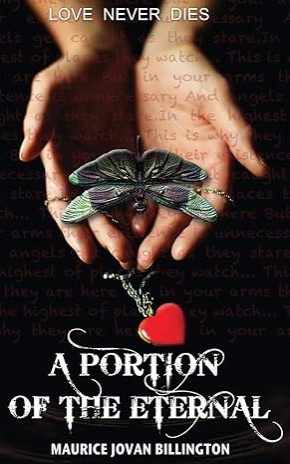
A Portion of the Eternal, by Maurice Jovan Billington
Goals of Dance Technique & Movement, by Nealya Brunson
Flies in My Coffee, by M. Rene Harris
The 3 Pillars of Strength: Improving Your Physical, Mental and Spiritual Fitness, by Jeffrey White
I Found Me, by Chef Corey Hall
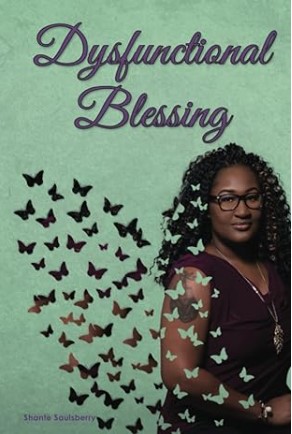
Dysfunctional Blessing, by Shante Saulsberry
Buffalo Scout, by Stephen McDonald
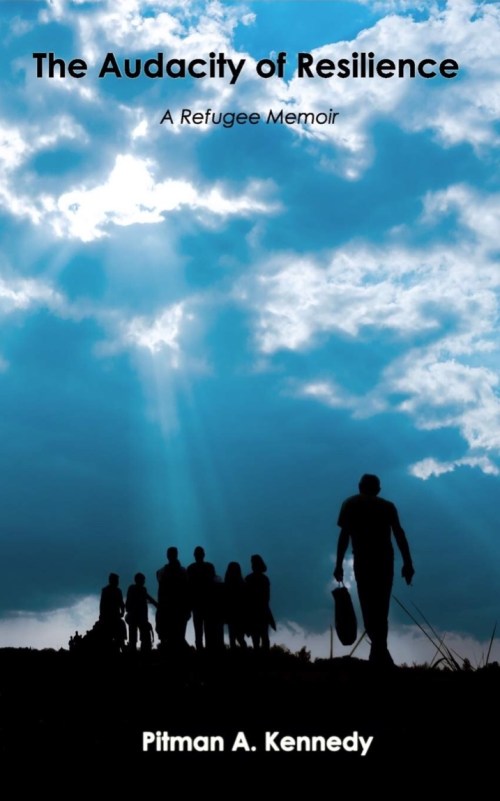
The Audacity of Resilience: A Refugee Memoir, by Pitman A. Kennedy
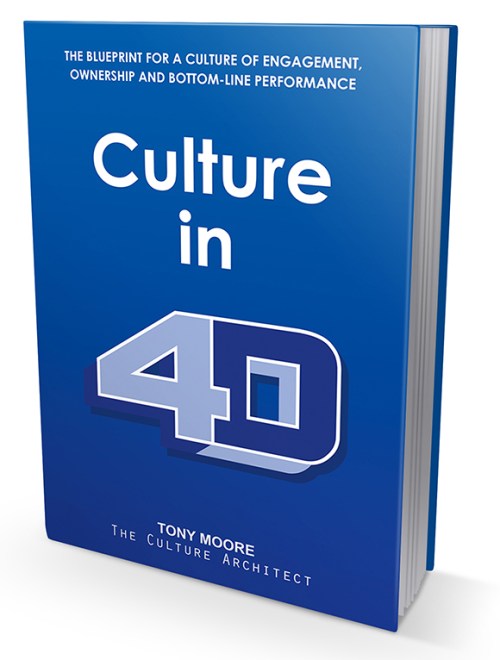
Culture in 4D: The Blueprint for a Culture of Engagement, Ownership, and Bottom-Line Performance, by Tony Moore
Millennial Marriages: A Military Relationship, by Jarron Webster
Planning Your Life to the 52nd Power: Planner, by Danese Banks
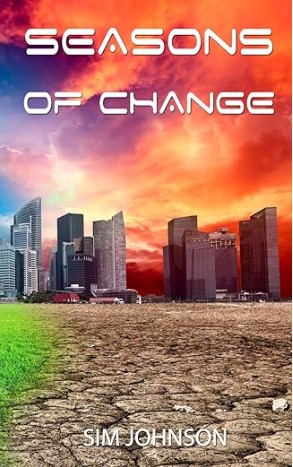
Seasons of Change, by Sim Johnson
Gifts From a Glacier: The Quest for an American Flag and 52 Souls, by Tonja Anderson-Dell
Modern IV Wellness, by Dr. Uhuru Smith MD and Dr. Tracy Edward Smith PhD
Comments Off on Celebrating Black Voices for Black History Month
























 Richter Publishing